- info@whitestoneinternationalcollege.org.uk
- +44 20 3727 6493
- Mon - Fri : 08.00-17.00
Whitestone International College of Innovation delivers quality-assured, standards-aligned programmes that integrate academic rigour, industry relevance, and digital fluency to develop principled leaders who deliver measurable impact.
- London, United kingdom
- +44 20 3727 6493
-
Info@whitestoneinternational
college.org.uk
 United States
 United Arab Emirates
 India
India
Courses
Advanced Professional Certificate in Integrated Disaster Risk Management & Urban Resilience
The Advanced Professional Certificate in Integrated Disaster Risk Management & Urban Resilience
develops higher-level capability to analyse, plan and coordinate risk reduction and resilience.
Course Overview
The Advanced Professional Certificate in Integrated Disaster Risk Management & Urban Resilience
develops higher-level capability to analyse, plan and coordinate risk reduction and resilience
measures in cities, growing towns and complex built environments.
Focusing on an integrated, multi-hazard, multi-stakeholder approach (awareness level), the
programme blends:
- Disaster risk assessment and mapping in urban contexts,
- Infrastructure and service continuity awareness,
- Climate and environmental risk awareness,
- Community and institutional preparedness, and
- Governance, policy and partnership working for resilience.
Participants learn how to move from isolated projects and reactive responses towards systematic,
risk-informed planning that strengthens resilience of people, services, infrastructure and
institutions in urban and peri-urban areas.
The programme does not provide engineering design, legal advice or detailed planning accreditation.
It builds practical, awareness-level competence to work effectively with technical, planning,
infrastructure and governance specialists in integrated disaster risk management (IDRM).
Why This Course is Important?
- Urban areas concentrate risk: Population density, informal settlements, aging infrastructure, traffic, industry and utilities mean that small failures can escalate quickly.
- Climate pressures are rising: Flooding, heatwaves, storms, landslides and other climate- related hazards increasingly intersect with social vulnerability and infrastructure fragility.
- Multiple systems are interdependent: Power, water, transport, communications, health and emergency services are tightly coupled; disruption in one area affects many others.
- Donors, investors and regulators demand resilience evidence: Cities and organisations are expected to demonstrate risk-informed planning, inclusive engagement and continuous improvement.
Learning Outcomes
By the end of this programme, participants will be able to:
- Apply key concepts of integrated disaster risk management and urban resilience in planning and decision-making (awareness level).
- Interpret and contribute to multi-hazard risk assessments and mapping in urban and peri- urban contexts, considering exposure, vulnerability and capacity.
- Identify critical urban systems and lifelines (e.g., power, water, transport, health, emergency services) and describe their interdependencies at awareness level.
- Develop or support risk-informed, inclusive action plans for disaster risk reduction and urban resilience.
- Facilitate multi-stakeholder engagement with authorities, communities, businesses and service providers.
- Integrate community resilience, social protection and inclusion into risk management approaches.
- Support monitoring, evaluation and learning for resilience initiatives, including basic indicators and reporting for partners/donors.
Target Audience
- Municipal / local government officers (planning, environment, public works, social services)
- Disaster management and civil defence personnel (non-tactical roles)
- Urban planners and development practitioners (awareness-level risk/resilience focus)
- HSE / OHS and risk professionals in utilities, transport, logistics, real estate and industrial zones
- NGO and humanitarian staff working on Urban DRR, climate adaptation or resilience projects
- CSR, sustainability and ESG professionals supporting city or community resilience initiatives
- Consultants and advisors working on risk-informed planning, infrastructure or resilience projects
Entry Requirements
- Prior exposure to disaster management, urban planning, infrastructure, safety, climate or community development is recommended.
- Ability to work with basic maps, risk matrices, project documents and action plans.
- Proficiency in English (or delivery language) to engage in group work, case-study analysis and written assignments.
- Completion of a foundation-level emergency/disaster or HSE course is desirable but not mandatory.
Programme Structure & Modules
- Integrated Disaster Risk Management (IDRM) versus traditional response-focused models.
- Urban resilience concepts: people, systems, institutions and services.
- Multi-hazard, multi-sector, multi-stakeholder approach (awareness).
- Links to climate adaptation, sustainable development and urban planning (awareness level).
- Understanding hazard profiles for cities: natural, technological and combined hazards (awareness).
- Exposure mapping: population, assets, critical services and vulnerable groups.
- Urban vulnerability factors: informal settlements, infrastructure conditions, governance and socio-economic factors.
- Using risk matrices, maps and simple scenarios to support discussion and planning (non-technical).
- This module builds awareness of infrastructure risk and continuity; it is not an engineering design course.
- Identifying critical infrastructure and lifelines: power, water, sanitation, transport, ICT, health, emergency services.
- Interdependencies and cascading risk: “if this fails, what else is affected?”
- Basic principles of redundancy, robustness and recovery (awareness).
- Interface with business continuity and organisational resilience plans.
- Community-based disaster risk reduction (CBDRR) in urban and peri-urban settings.
- Inclusion of children, older persons, people with disabilities, migrants, informal workers and low-income communities.
- Role of local governance, neighbourhood groups, schools, health centres and civil society.
- Participatory approaches for co-designing resilience actions.
- Not a planning accreditation or legal planning course; focuses on risk awareness for practitioners.
- Awareness of how land use, density, zoning and building practices affect risk.
- Integrating risk considerations into site selection, layout, access and evacuation routes (awareness).
- Green and blue infrastructure awareness (parks, drainage, retention areas, nature-based solutions at awareness level).
- Coordination between planning, environment, infrastructure and emergency management stakeholders.
- From risk assessment to prioritised actions: prevention, mitigation, preparedness and early warning.
- Linking local DRR/resilience plans to national frameworks and strategies (awareness).
- Setting objectives, timelines, responsibilities and resource considerations.
- Integrating education, drills, communication and capacity building into action plans.
- Role of municipal budgets, donor funding, private sector investment and CSR in resilience.
- Building partnerships between local authorities, utilities, private sector, NGOs and communities.
- Phasing and sequencing actions: quick wins vs. long-term investments.
- Basic awareness of resilience-related funding concepts and project logics (not a finance qualification).
- Choosing indicators to track progress (qualitative and quantitative, awareness level).
- Simple monitoring and reporting tools for local DRR/resilience initiatives.
- Learning from events, near-misses, exercises and projects; updating plans and policies.
- Reporting to councils, donors, boards and community stakeholders in a clear, non-technical way.
Awarding Body
Whitestone International College of Innovation
United Kingdom
Qualification Type
Advanced Professional Certificate
(Industry-aligned, regulated qualification issued by Whitestone International College of Innovation, UK)

Delivery Mode
Classroom – London (UK) / Dubai (UAE) campuses
Live Online – Instructor-led virtual sessions
Blended Learning –Pre-reading or e-learning + live workshops + mentored capstone project focused on participants’ own city/organisation.

Duration
4 days (intensive) or 2 weeks (part-time)
CPD Hours: Typically 28–32 hours, including contact time and capstone support.
Assessment:
- Knowledge assessment (e.g., applied MCQs/short answers) covering integrated DRR, urban resilience, risk assessment and planning principles.
- Participation in group exercises, scenario discussions and practical workshops.
- Submission and satisfactory evaluation of the Urban Risk & Resilience Action Plan Dossier (capstone).
Certification:
- Successful participants receive the Advanced Professional Certificate in Integrated Disaster Risk Management & Urban Resilience from Whitestone International College of Innovation (UK).
- Builds strategic, systems-level understanding of disaster risk and resilience in urban contexts.
- Enhances participants’ ability to coordinate across departments, sectors and disciplines.
- Provides ready-to-use templates for risk profiling, stakeholder mapping and action planning.
- Strengthens proposals, projects and funding applications by embedding risk-informed, resilience-focused logic.
- Positions graduates for roles and responsibilities in DRR units, resilience offices, urban development projects, humanitarian urban programmes and corporate resilience functions.
This programme aligns with contemporary international thinking on disaster risk reduction, climate adaptation and urban resilience (awareness level) and complements:
- Local and national DRR strategies and resilience frameworks,
- Organisational risk, HSE and business continuity approaches,
- Urban development, infrastructure and sustainability initiatives.
It forms a core advanced pillar of your Disaster, Emergency Management & Resilience sector, ideally positioned above your foundation certificates and feeding into your professional diplomas and CDEMRP certification.
Programme Fees
Clear Fee Structure With No Hidden Costs
£
655
Per Course
-
Industry-focused programmes with global standards.
-
Practical skills for real-world success.
-
Academic excellence with career-ready outcomes.
Featured
Related Courses
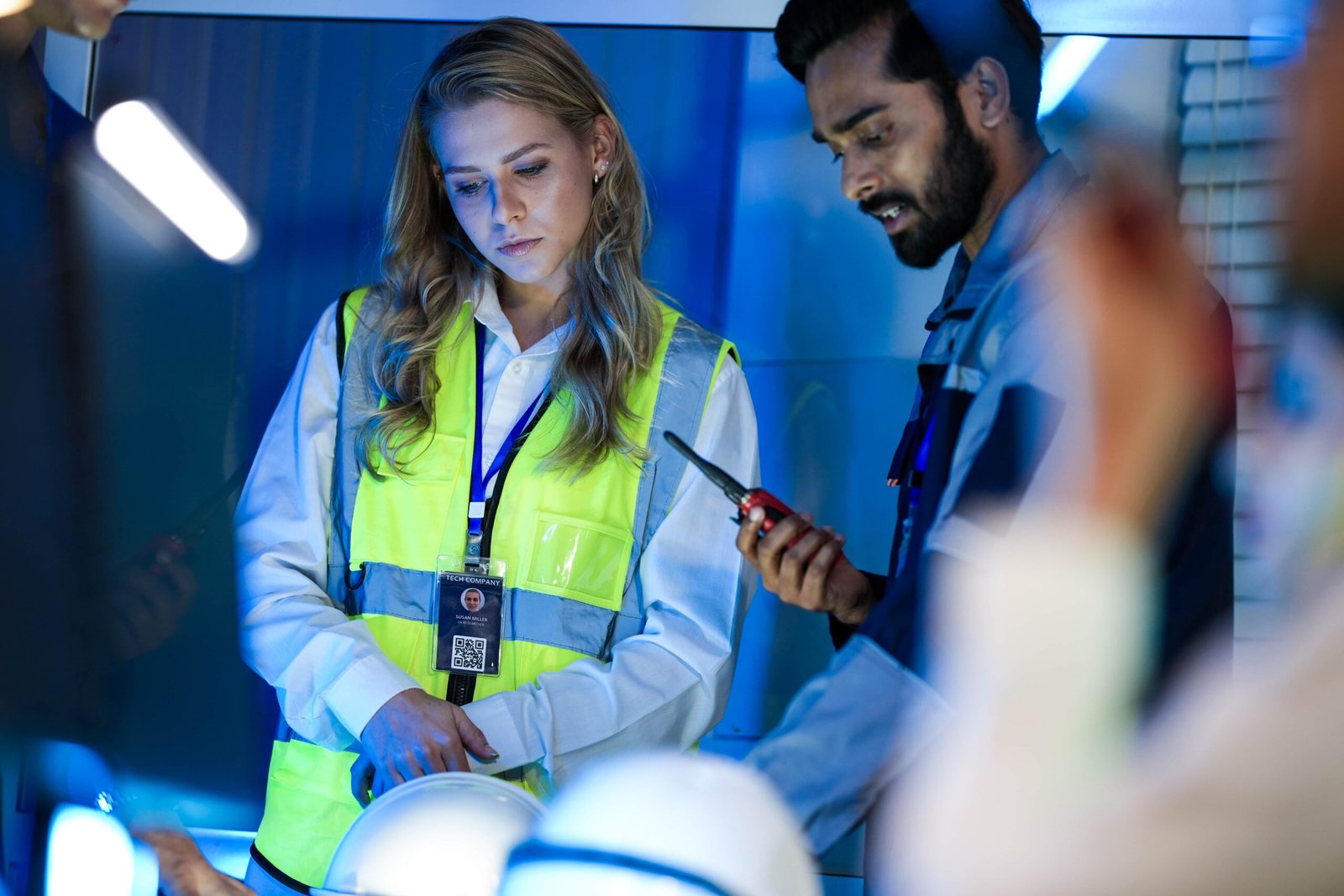
Advanced Professional Certificate in Emergency Operations Centre (EOC) Management & Multi-Agency Coordination
The Advanced Professional Certificate in Emergency Operations Centre (EOC) Management & Multi-Agency Coordination....
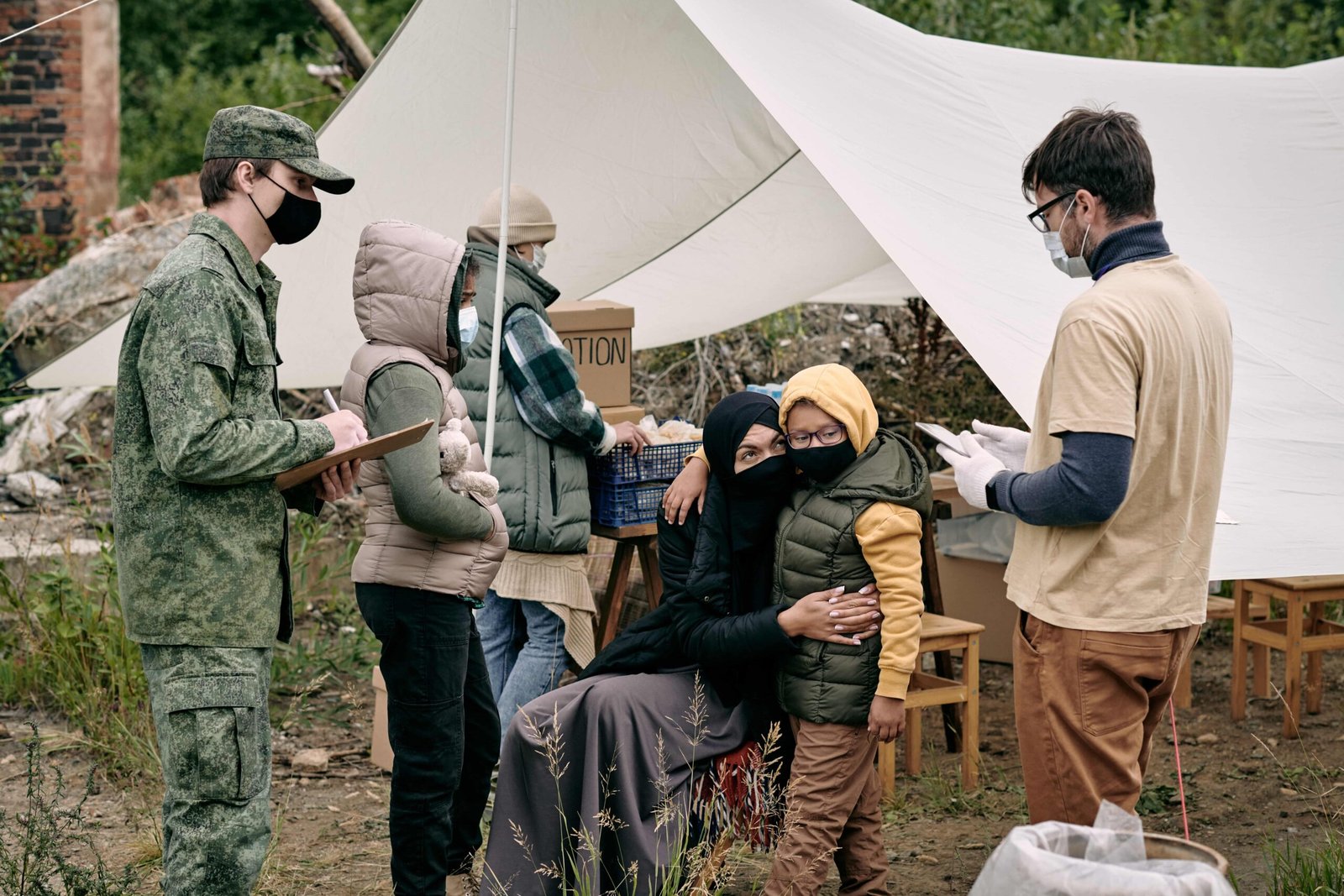
Advanced Professional Certificate in Humanitarian Emergency Management, Relief Logistics & Camp Coordination (Non-Clinical Practice)
The Advanced Professional Certificate in Humanitarian Emergency Management, Relief Logistics & Camp Coordination....

Advanced Professional Certificate in Business Continuity, Organisational Resilience & Recovery Planning
The Advanced Professional Certificate in Business Continuity, Organisational Resilience & Recovery Planning....
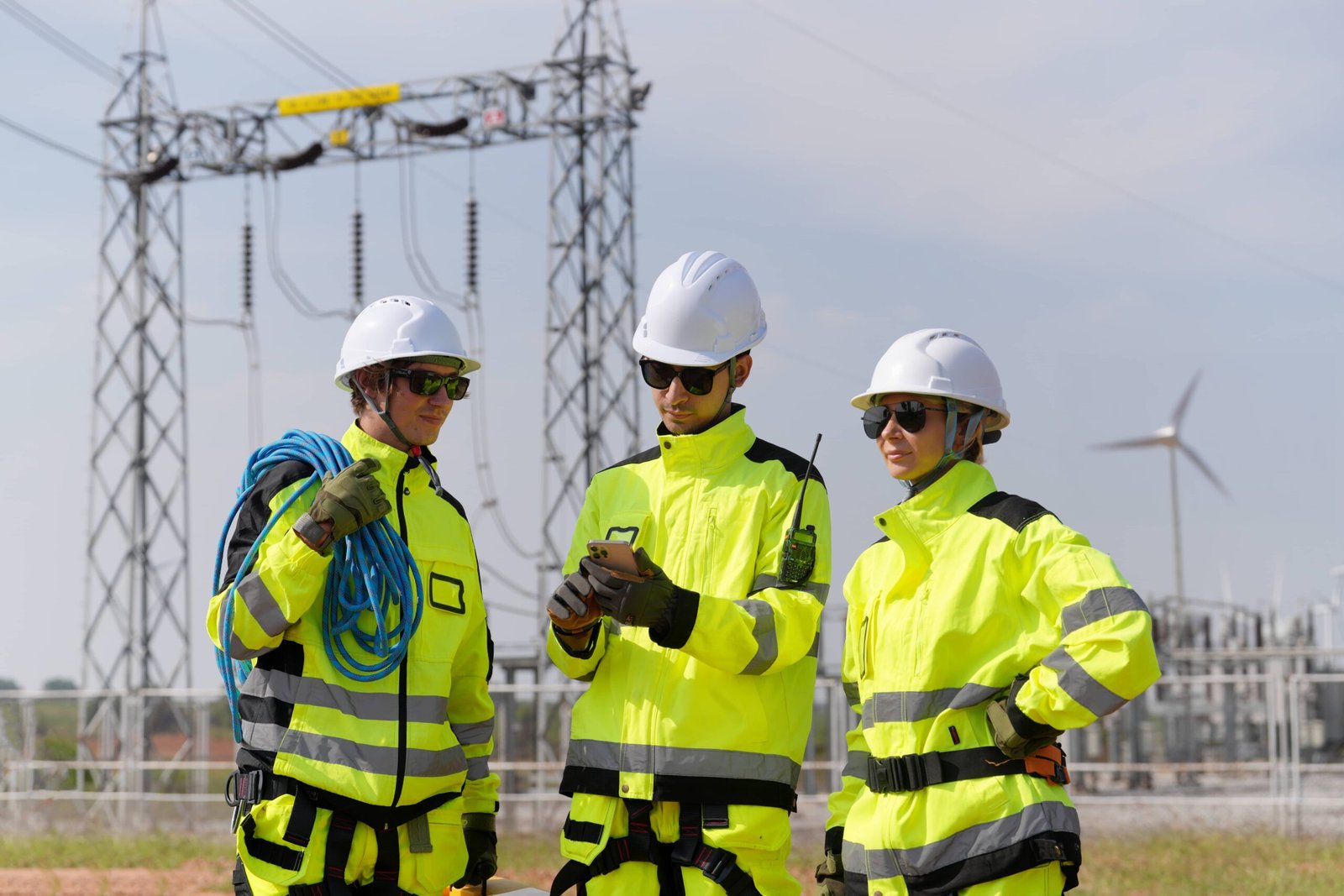
Advanced Professional Certificate in Critical Infrastructure Protection, Lifelines & Continuity of Essential Services
The Advanced Professional Certificate in Critical Infrastructure Protection, Lifelines & Continuity of Essential Services builds....

Advanced Professional Certificate in Crisis Leadership, High-Stress Decision-Making & Governance in Emergencies
The Advanced Professional Certificate in Crisis Leadership, High-Stress Decision-Making & Governance in Emergencies.....
Together We Learn, Together We Grow
At Whitestone, we believe in collaborative learning where students and faculty grow together through knowledge and experience. Our supportive community fosters teamwork, innovation, and shared success.
Contact & Follow us
Contact Us & Get More Information
Contact us for expert guidance, swift support, and strategic partnerships.

Whitestone International College of Innovation delivers quality-assured, standards-aligned programmes that integrate academic rigour, industry relevance, and digital fluency to develop principled leaders who deliver measurable impact.
Quick Links
Menu
Get Connected
Reach out to us for any queries or assistance. We’re here to support you at every step. Stay connected and let us make things easier for you.
Copyright © 2025 Whitestone International College of Innovation. All rights reserved.