
- info@whitestoneinternationalcollege.org.uk
- +44 20 3727 6493
- Mon - Fri : 08.00-17.00
Whitestone International College of Innovation delivers quality-assured, standards-aligned programmes that integrate academic rigour, industry relevance, and digital fluency to develop principled leaders who deliver measurable impact.
- London, United kingdom
- +44 20 3727 6493
-
Info@whitestoneinternational
college.org.uk
 United States
 United Arab Emirates
 India
India
Courses
Advanced Professional Certificate in Crisis Leadership, High-Stress Decision-Making & Governance in Emergencies
The Advanced Professional Certificate in Crisis Leadership, High-Stress Decision-Making &
Governance in Emergencies develops advanced capability for those who must lead, decide and
provide governance oversight when organisations, communities or systems are under severe
pressure.
Course Overview
The Advanced Professional Certificate in Crisis Leadership, High-Stress Decision-Making &
Governance in Emergencies develops advanced capability for those who must lead, decide and
provide governance oversight when organisations, communities or systems are under severe
pressure.
The programme focuses on strategic and organisational leadership, not tactical field operations. It
blends:
- Crisis leadership mindsets and behaviours,
- High-stress decision-making and judgement under uncertainty,
- Governance, roles and accountability in emergencies,
- Strategic communication and stakeholder confidence, and
- Learning, review and continuous improvement after major events.
This programme does not provide legal advice, operational command training for emergency
services, or clinical/forensic qualifications. It builds practical, awareness-level professional
competence for boards, senior leaders, gold/strategic roles and governance bodies to steer their
organisations ethically and effectively through crises.
Why This Course is Important?
- Crises expose leadership quality immediately: In a major incident, stakeholders judge leaders on clarity, calm, empathy and visible control—even when the situation is complex and uncertain.
- Decisions must be made with incomplete information: Waiting for “perfect data” can be worse than making a timely, defensible decision and adjusting as new information emerges.
- Governance and accountability do not pause in emergencies: Boards, regulators, owners and the public expect that decisions, trade-offs and communications are documented, proportionate and principled.
- Reputation and trust are fragile: Poor crisis leadership can damage brands, careers and institutions for years, while excellent leadership can build lasting trust and legitimacy.
Learning Outcomes
By the end of this programme, participants will be able to:
- Distinguish between routine leadership, incident management and true crisis leadership, and operate appropriately at strategic/governance level (awareness).
- Apply practical frameworks for decision-making under pressure, balancing speed, evidence, risk and ethics.
- Clarify and operate within crisis governance structures: roles, responsibilities, escalation, delegations and oversight.
- Lead or contribute to strategic crisis cells / gold groups / executive crisis teams in coordination with operational and tactical structures (awareness).
- Communicate credibly with staff, public, media, regulators, partners and boards, supporting trust and confidence.
- Reflect on personal resilience, team dynamics and cognitive biases in high-stress decision- making.
- Support high-quality post-incident reviews, inquiries and lesson-learning processes, turning experience into improved governance and capability.
Target Audience
- Chief executives, directors, deans, principals and senior managers
- Gold/strategic level crisis leaders in public, private and non-profit sectors (awareness level)
- Board members, trustees and executive committee members
- Senior HSE / OHS, risk, security, continuity and emergency management leaders
- Heads of operations, HR, communications, legal and corporate affairs
- Senior managers responsible for high-reliability or high-impact services (energy, transport, healthcare, education, food, finance, logistics, critical infrastructure, large campuses, etc.)
Entry Requirements
- Significant experience in management, leadership, governance, risk, HSE, security, continuity or emergency planning is strongly recommended.
- Comfort participating in scenario work, structured reflection and peer discussion.
- Proficiency in English (or delivery language) to engage in high-level briefings, documentation and presentations.
- Prior completion of a foundation or intermediate course in risk, emergency management, business continuity or leadership is desirable but not mandatory.
Programme Structure & Modules
- What distinguishes a crisis from routine incidents and emergencies (awareness).
- Levels of command and control (strategic/tactical/operational – awareness only).
- Crisis leadership vs routine leadership: time-pressure, uncertainty, scrutiny, moral complexity.
- Governance expectations: role of boards, owners, regulators, ministers and the public (no legal advice).
- Typical structures: Crisis Management Team, Strategic Coordination Group, Gold/Silver/Bronze style models (awareness).
- Defining roles, decision rights, delegations and authorities before a crisis.
- Aligning crisis structures with business continuity, EOC operations, emergency services and government frameworks (awareness).
- Practical tools: terms of reference, role cards, decision matrices.
- How stress, fatigue and time pressure affect judgement, perception and risk appetite.
- Common cognitive biases in crises: confirmation bias, groupthink, anchoring, optimism/pessimism, hindsight illusions.
- Structured decision-making approaches for crises (awareness level), for example:
- Clarify the problem and objectives,
- Identify options and constraints,
- Evaluate risks, trade-offs and unintended consequences,
- Decide, document and communicate,
- Review and adapt as new information emerges.
- Using small, diverse teams and challenge roles to improve decisions.
- Setting clear strategic objectives and priorities (life, safety, environment, services, reputation, legal/regulatory, financial).
- Navigating competing priorities (e.g. speed vs thoroughness, privacy vs transparency, cost vs safety).
- Ethical considerations: fairness, proportionality, duty of care, vulnerable groups (awareness; no legal advice).
- Documenting rationale for decisions to support later review, scrutiny and inquiries.
- Focus on leadership communication and governance messaging, not media training for spokespeople alone.
- Principles of effective crisis communication from a leadership/gov perspective: honesty, empathy, clarity, consistency.
- Internal communication: staff, unions, contractors, volunteers and partners.
- External communication: awareness-level interaction with media, social media, communities, regulators, customers and suppliers.
- Aligning strategic messages with operational information to avoid mixed signals.
- Managing expectations and uncertainty, especially when facts are incomplete.
- Interfaces between strategic crisis leadership, Emergency Operations Centres (EOC), on-scene command and partner organisations.
- Reading and questioning situation reports, dashboards and briefings intelligently.
- Asking the right questions: risk, assumptions, dependencies, vulnerable groups, exit strategies.
- Supporting multi-agency coordination and joint statements at awareness level.
- Personal resilience under sustained pressure: energy management, boundaries, reflection and support networks.
- Leadership presence: calm, visible, compassionate and decisive behaviour.
- Team dynamics in crisis cells: roles, diversity, constructive challenge, conflict management.
- Managing fatigue, rotation, handovers and continuity in long-running crises.
- Types of post-crisis review: hot debriefs, after-action reviews, formal investigations/inquiries (awareness).
- Governance responsibilities for commissioning, receiving and responding to findings (no legal advice).
- Turning lessons into policy changes, capability improvements and culture shifts.
- Building a maturity roadmap for crisis readiness and leadership development.
Awarding Body
Whitestone International College of Innovation
United Kingdom
Qualification Type
Advanced Professional Certificate
(Industry-aligned, regulated qualification issued by Whitestone International College of Innovation, UK)

Delivery Mode
Classroom – London (UK) / Dubai (UAE) campuses
Live Online – Instructor-led virtual sessions
Blended Learning –Pre-reading or e-learning + live workshops + mentored capstone project focused on participants’ own city/organisation.

Duration
4 days (intensive) or 2 weeks (part-time)
CPD Hours: Typically 28–32 hours, including contact time, simulations and capstone support.
Assessment:
- Applied knowledge assessment (MCQs/short answers) on crisis leadership, governance, decision-making, communication and learning (awareness level).
- Observation of participation in simulations, decision labs and structured debriefs (where delivery model allows).
- Submission and satisfactory evaluation of the Crisis Leadership & Governance Dossier (capstone).
Certification:
- Successful participants receive the Advanced Professional Certificate in Crisis Leadership, High-Stress Decision-Making & Governance in Emergencies from Whitestone International College of Innovation (UK).
- Equips senior leaders and governors to lead confidently and ethically when it matters most.
- Provides practical, repeatable frameworks for decision-making, crisis meetings and strategic communication.
- Strengthens board-level oversight and executive readiness for high-impact incidents and prolonged crises.
- Enhances alignment between crisis leadership, EOC operations, DRR, business continuity and infrastructure resilience.
- Creates a natural progression pathway to your Professional Diplomas and CDEMRP certification within the Disaster, Emergency Management & Resilience sector, positioning graduates as trusted, credible crisis leaders in their organisations and communities.
Programme Fees
Clear Fee Structure With No Hidden Costs
£
685
Per Course
-
Industry-focused programmes with global standards.
-
Practical skills for real-world success.
-
Academic excellence with career-ready outcomes.
Featured
Related Courses
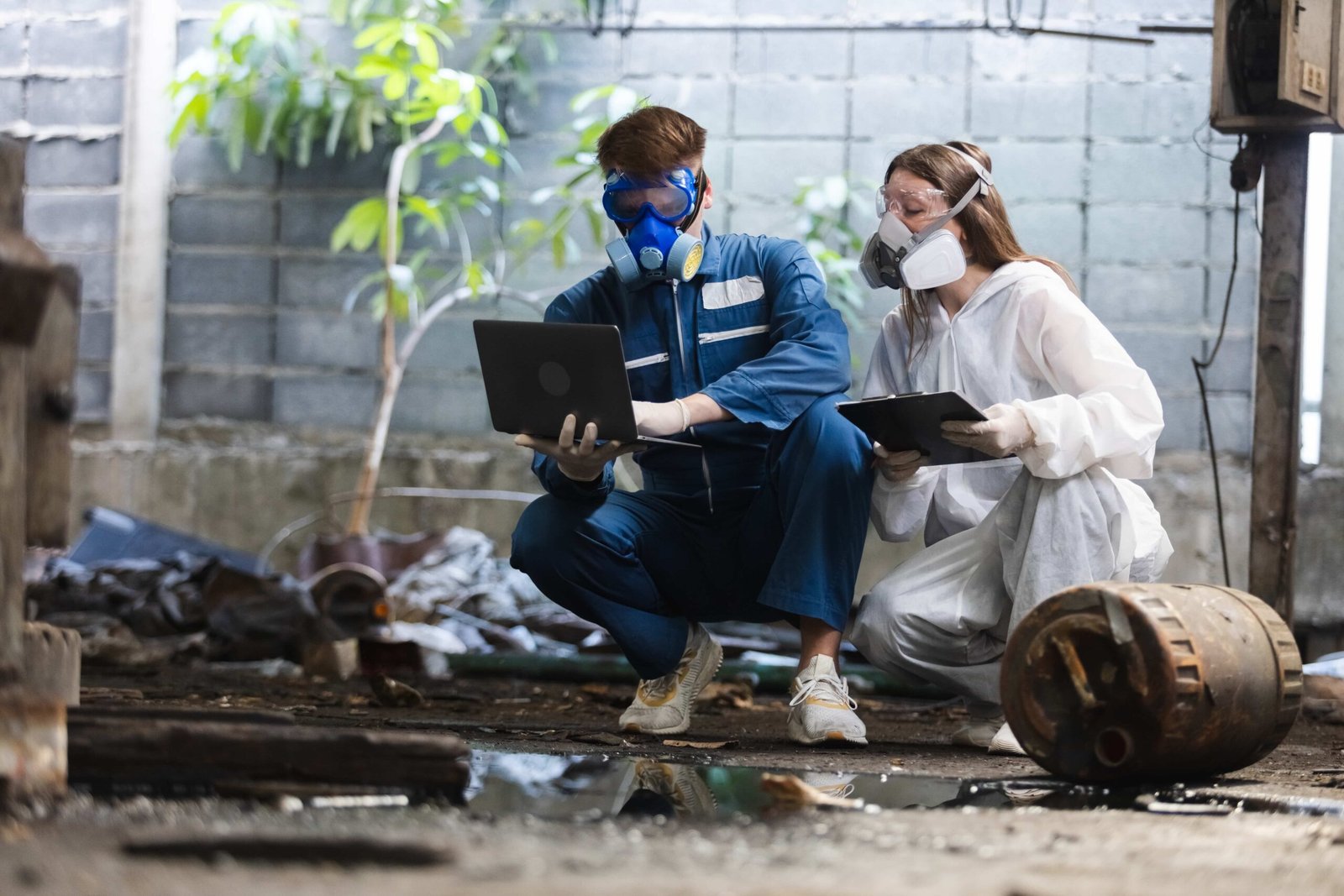
Advanced Professional Certificate in Integrated Disaster Risk Management & Urban Resilience
The Advanced Professional Certificate in Integrated Disaster Risk Management & Urban Resilience develops....
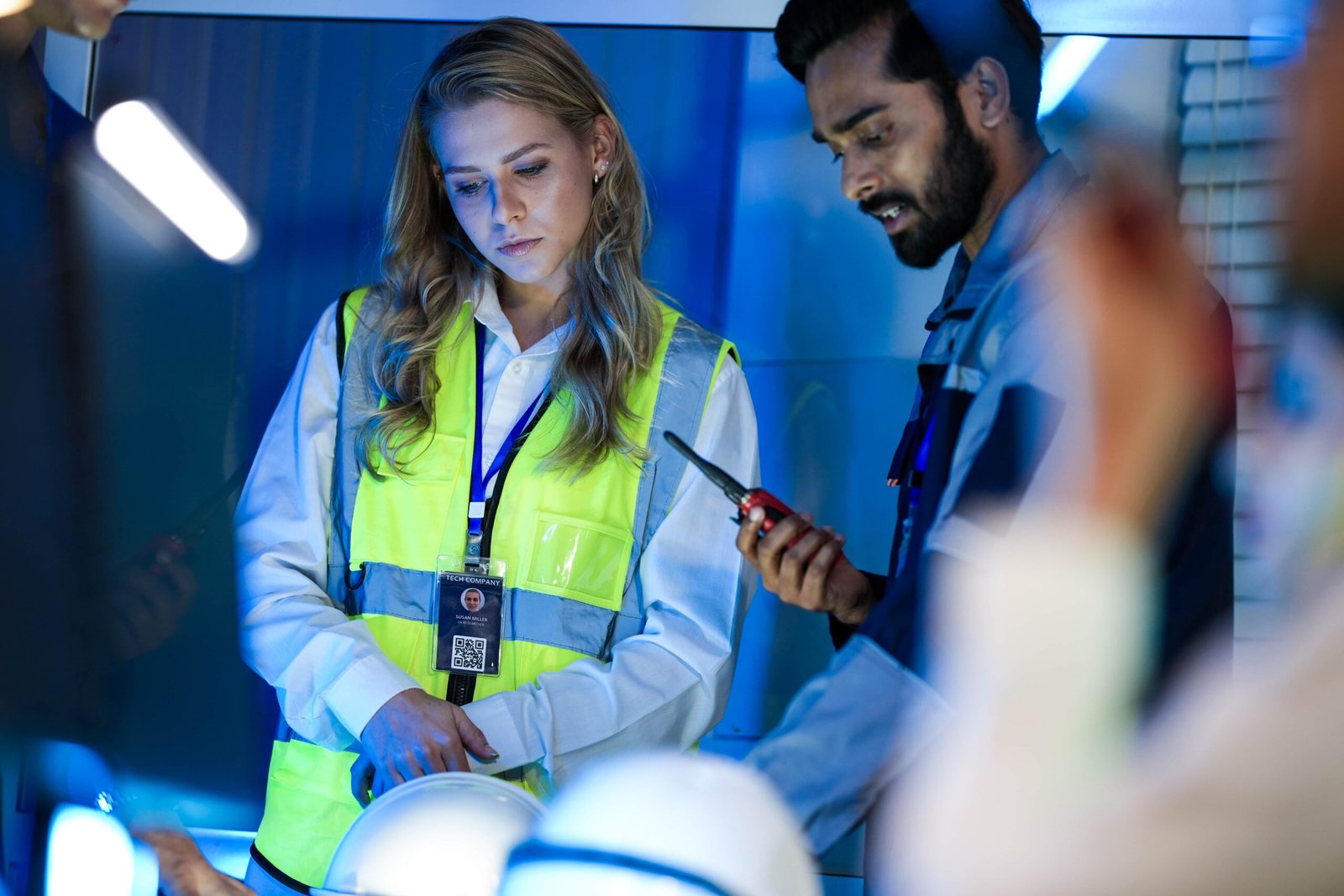
Advanced Professional Certificate in Emergency Operations Centre (EOC) Management & Multi-Agency Coordination
The Advanced Professional Certificate in Emergency Operations Centre (EOC) Management & Multi-Agency Coordination....
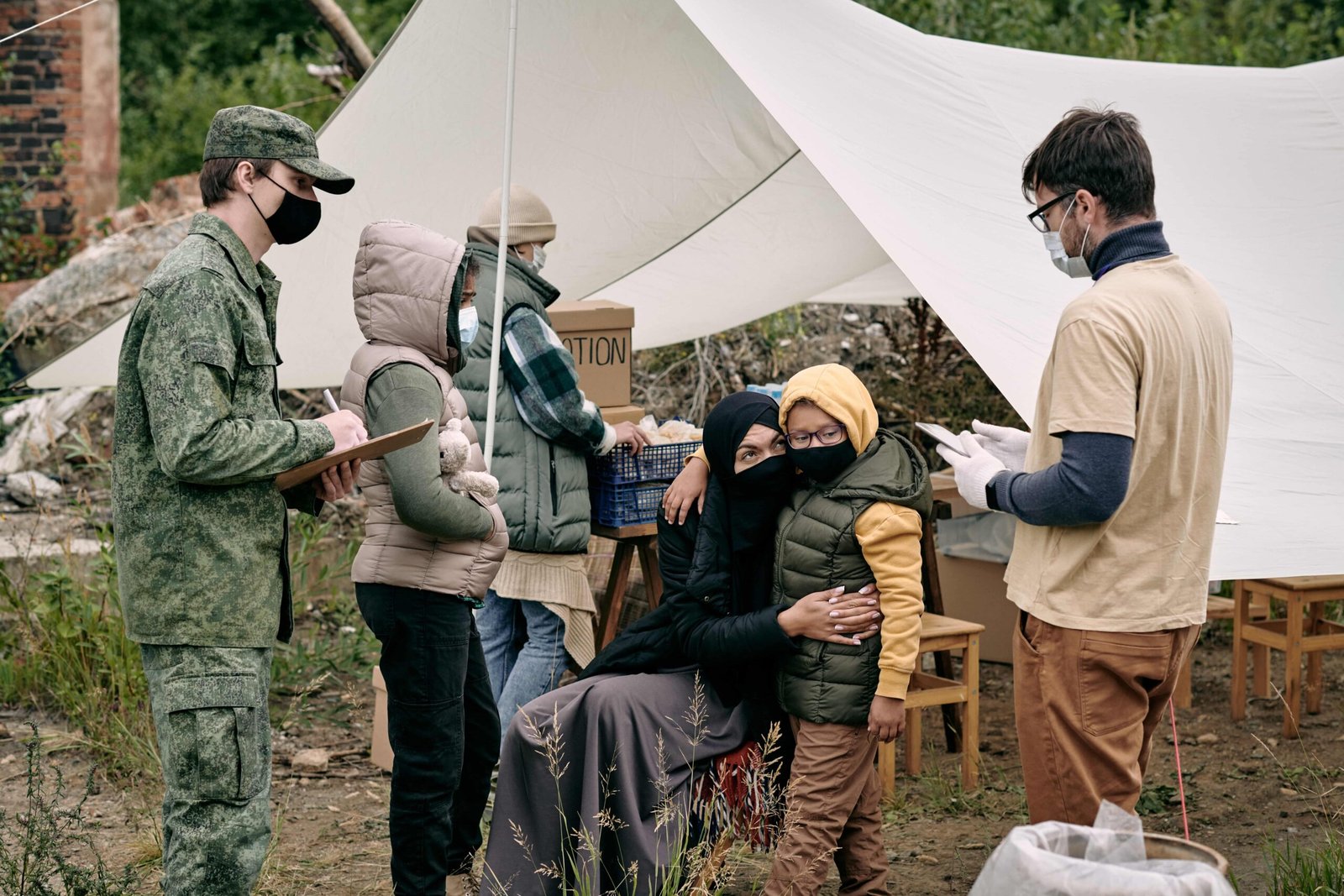
Advanced Professional Certificate in Humanitarian Emergency Management, Relief Logistics & Camp Coordination (Non-Clinical Practice)
The Advanced Professional Certificate in Humanitarian Emergency Management, Relief Logistics & Camp Coordination....

Advanced Professional Certificate in Business Continuity, Organisational Resilience & Recovery Planning
The Advanced Professional Certificate in Business Continuity, Organisational Resilience & Recovery Planning....
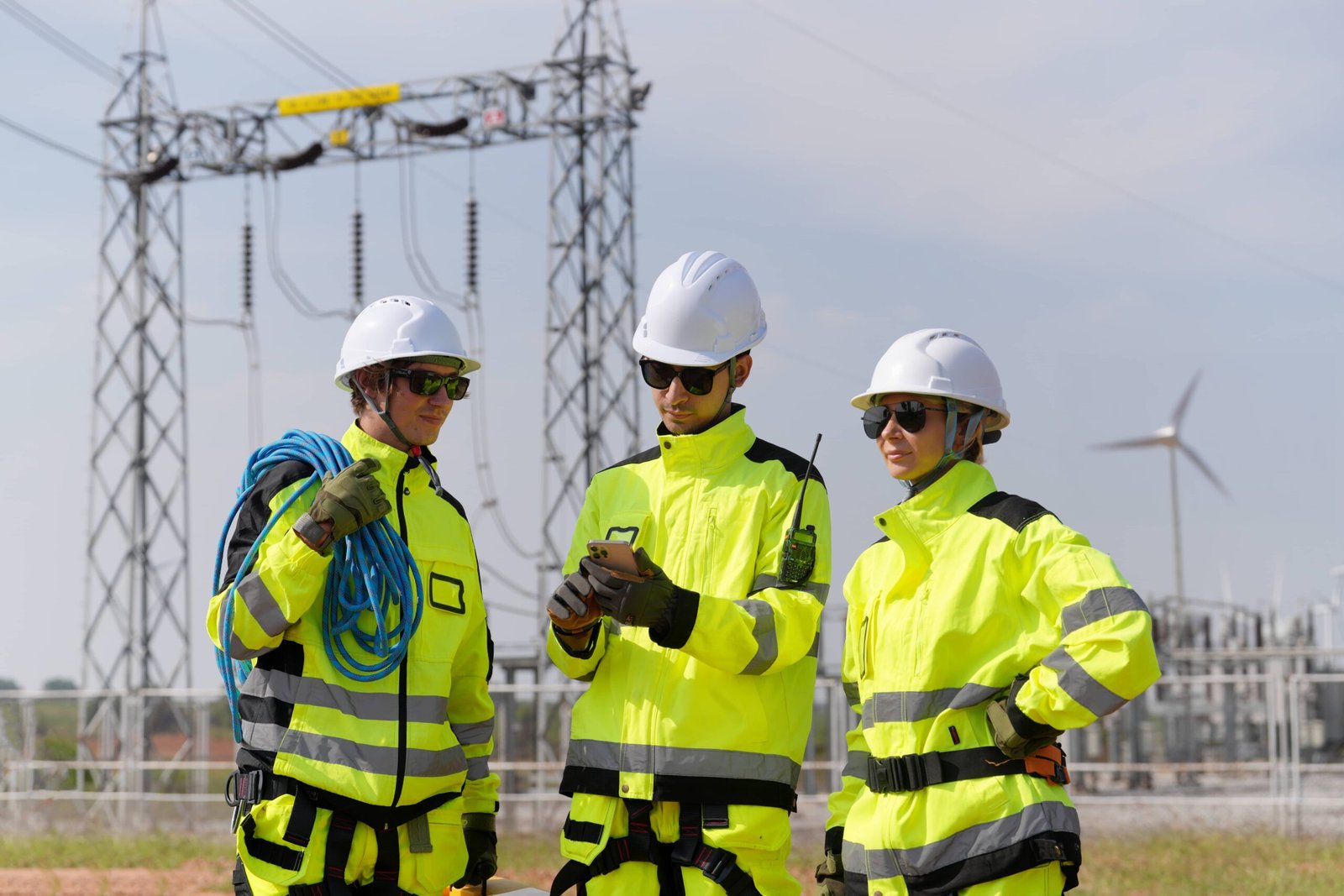
Advanced Professional Certificate in Critical Infrastructure Protection, Lifelines & Continuity of Essential Services
The Advanced Professional Certificate in Critical Infrastructure Protection, Lifelines & Continuity of Essential Services builds....
Together We Learn, Together We Grow
At Whitestone, we believe in collaborative learning where students and faculty grow together through knowledge and experience. Our supportive community fosters teamwork, innovation, and shared success.
Contact & Follow us
Contact Us & Get More Information
Contact us for expert guidance, swift support, and strategic partnerships.

Whitestone International College of Innovation delivers quality-assured, standards-aligned programmes that integrate academic rigour, industry relevance, and digital fluency to develop principled leaders who deliver measurable impact.
Quick Links
Menu
Get Connected
Reach out to us for any queries or assistance. We’re here to support you at every step. Stay connected and let us make things easier for you.
Copyright © 2025 Whitestone International College of Innovation. All rights reserved.