- info@whitestoneinternationalcollege.org.uk
- +44 20 3727 6493
- Mon - Fri : 08.00-17.00
Whitestone International College of Innovation delivers quality-assured, standards-aligned programmes that integrate academic rigour, industry relevance, and digital fluency to develop principled leaders who deliver measurable impact.
- London, United kingdom
- +44 20 3727 6493
-
Info@whitestoneinternational
college.org.uk
 United States
 United Arab Emirates
 India
India
Courses
Professional Certificate in Disaster Risk Reduction & Community Preparedness
The Professional Certificate in Disaster Risk Reduction & Community Preparedness builds a
practical foundation in how communities, organisations and local authorities can anticipate, reduce
and prepare for disasters arising from natural hazards.
Course Overview
The Professional Certificate in Disaster Risk Reduction & Community Preparedness builds a
practical foundation in how communities, organisations and local authorities can anticipate, reduce
and prepare for disasters arising from natural hazards, technological incidents and cascading
emergencies.
Informed by internationally recognised concepts in Disaster Risk Reduction (DRR) and community
resilience (awareness level), the programme integrates risk assessment, vulnerability and capacity
analysis, preparedness planning, early warning, community engagement and basic incident
coordination. Participants learn how to move from a reactive, response-only mindset to a proactive,
prevention- and preparedness-focused approach at community and local organisational level.
The emphasis is on practical tools, templates and plans that can be used in municipalities, schools,
hospitals, companies, NGOs, residential communities and critical local services.
Why This Course is Important?
- Risk is increasing: Climate-related events, urbanisation, industrial growth and complex supply chains mean more communities are exposed to floods, storms, fires, technological incidents and cascading disruptions.
- Preparedness saves lives and livelihoods: Well-designed risk reduction and community preparedness measures can dramatically reduce casualties, damage, service disruption and recovery time.
- Local action is critical: National frameworks are important, but impact happens at community level—in neighbourhoods, schools, clinics, small businesses and local authorities.
- Stakeholder expectations are rising: Governments, donors, insurers and international partners increasingly expect documented DRR, business continuity and community preparedness evidence.
Learning Outcomes
By the end of this programme, participants will be able to:
- Explain the key concepts of hazard, exposure, vulnerability, capacity and risk in a DRR and community context.
- Conduct a basic community or local organisational risk and vulnerability profile, using simple tools and participatory approaches.
- Identify priority risk reduction and preparedness measures (structural and non-structural) suited to their environment.
- Contribute to the development of community or local emergency preparedness plans, including roles, responsibilities and coordination arrangements.
- Support early warning and communication arrangements that reach diverse community members, including vulnerable groups.
- Plan and support drills, exercises and public awareness activities to build a culture of preparedness.
- Document and report on DRR and preparedness activities in a manner useful for local authorities, partners and donors.
Target Audience
- Local government / municipal officers and planners
- Community leaders, NGO/charity workers and volunteers
- School, college and hospital administrators and safety coordinators
- HSE / OHS professionals with responsibility for community-facing facilities
- Corporate social responsibility (CSR) and sustainability teams supporting community resilience
- Staff of housing associations, residential complexes, industrial estates and business parks
- Early-career practitioners in disaster management, emergency response or humanitarian fields
Entry Requirements
- Interest or involvement in disaster management, emergency preparedness, safety, community work or local governance.
- Ability to read and work with simple risk matrices, maps, checklists and planning templates.
- Proficiency in English (or delivery language) sufficient for active participation in group work, case studies and assessment tasks.
- No prior DRR qualification is required; basic HSE/safety awareness is an advantage but not mandatory.
Programme Structure & Modules
- Key definitions: hazard, exposure, vulnerability, capacity, risk, resilience.
- Types of hazards: natural (e.g. flood, storm, heatwave, earthquake), technological and human-induced (awareness level).
- Shifts from “disaster response” to risk reduction and resilience building.
- Community-centred approaches and inclusion of vulnerable groups.
- Simple hazard and risk mapping for communities, institutions and local organisations.
- Tools for vulnerability and capacity assessment: checklists, mapping, stakeholder interviews, focus groups (awareness level).
- Identifying critical services, lifelines and priority groups (schools, clinics, elder care, etc.).
- Prioritising risks and documenting assessment findings clearly.
- Distinguishing risk reduction, preparedness, response and recovery.
- Examples of structural and non-structural measures (awareness level) appropriate for different hazards and settings.
- Integrating DRR into land use, facility layout, basic infrastructure and standard operating procedures (awareness level).
- Low-cost/high-impact measures communities and organisations can adopt.
- Elements of a community/local emergency preparedness plan:
- Hazard scenarios and triggers
Roles and responsibilities
- Key resources and contact lists
- Evacuation and shelter options (awareness level, non-clinical/non-tactical)
- Basic principles of incident organisation and coordination at local level (linkage to official= incident command where applicable – awareness).
- Aligning community plans with local authority, emergency services and organisational plans where possible.
- Characteristics of effective early warning systems at community level (awareness): detection, communication, understanding, response.
- Communication channels: sirens, SMS, social media, community leaders, door-to-door, loudspeakers, etc.
- Ensuring communication reaches children, older people, people with disabilities, migrants and linguistically diverse groups.
- Designing simple public information materials (posters, leaflets, briefings) on preparedness actions.
- Purpose and types of drills and exercises (table-top, walk-through, full drill – awareness level).
- Planning and conducting basic exercises for schools, workplaces and communities.
- Debriefing and lessons learned: capturing improvements to plans and procedures.
- Working with schools, youth groups, faith-based organisations and local businesses to promote a culture of preparedness.
- Templates for risk profiles, preparedness plans, contact lists and action registers.
- Monitoring implementation of risk reduction and preparedness actions.
- Building partnerships with local authorities, emergency services, NGOs and private sector actors.
- Continuous improvement mindset: updating plans after incidents, drills and environmental or social changes.
Awarding Body
Whitestone International College of Innovation
United Kingdom
Qualification Type
Professional Certificate - Short Course
(Industry-aligned, regulated qualification issued by Whitestone International College of Innovation, UK)

Delivery Mode
Classroom – London (UK) / Dubai (UAE) campuses
Live Online – Instructor-led virtual sessions
Blended Learning –Prestudy materials + workshops + capstone assignment

Duration
3 days (intensive) or 1 week (parttime)
CPD Hours: 18–21 hours
Assessment:
- Short knowledge assessment (e.g. MCQs/short answers) covering DRR concepts, community risk assessment and preparedness planning.
- Participation in group activities, scenario discussions and planning exercises.
- Submission and satisfactory evaluation of the Community Risk Profile & Preparedness Action Plan (capstone).
Certification:
- Successful participants receive the Professional Certificate in Disaster Risk Reduction & Community Preparedness from Whitestone International College of Innovation (UK).
- Practical capability to assess risk and design community-level preparedness measures.
- Ready-to-use templates and tools for risk profiling, planning, communication and exercises.
- Strengthened confidence when engaging with local authorities, emergency services, NGOs and communities.
- Clear pathway for progression to advanced certificates in integrated disaster risk management, emergency operations and resilience.
This programme is aligned with widely recognised disaster risk reduction and community resilience principles (at awareness level), and is suitable for integration into:
- Local government and municipal DRR and preparedness initiatives
- Corporate and institutional emergency planning and CSR/resilience programmes
- NGO and humanitarian community-based disaster risk reduction projects
- Education, health and social sector preparedness initiatives
Programme Fees
Clear Fee Structure With No Hidden Costs
£
350
Per Course
-
Industry-focused programmes with global standards.
-
Practical skills for real-world success.
-
Academic excellence with career-ready outcomes.
Featured
Related Courses
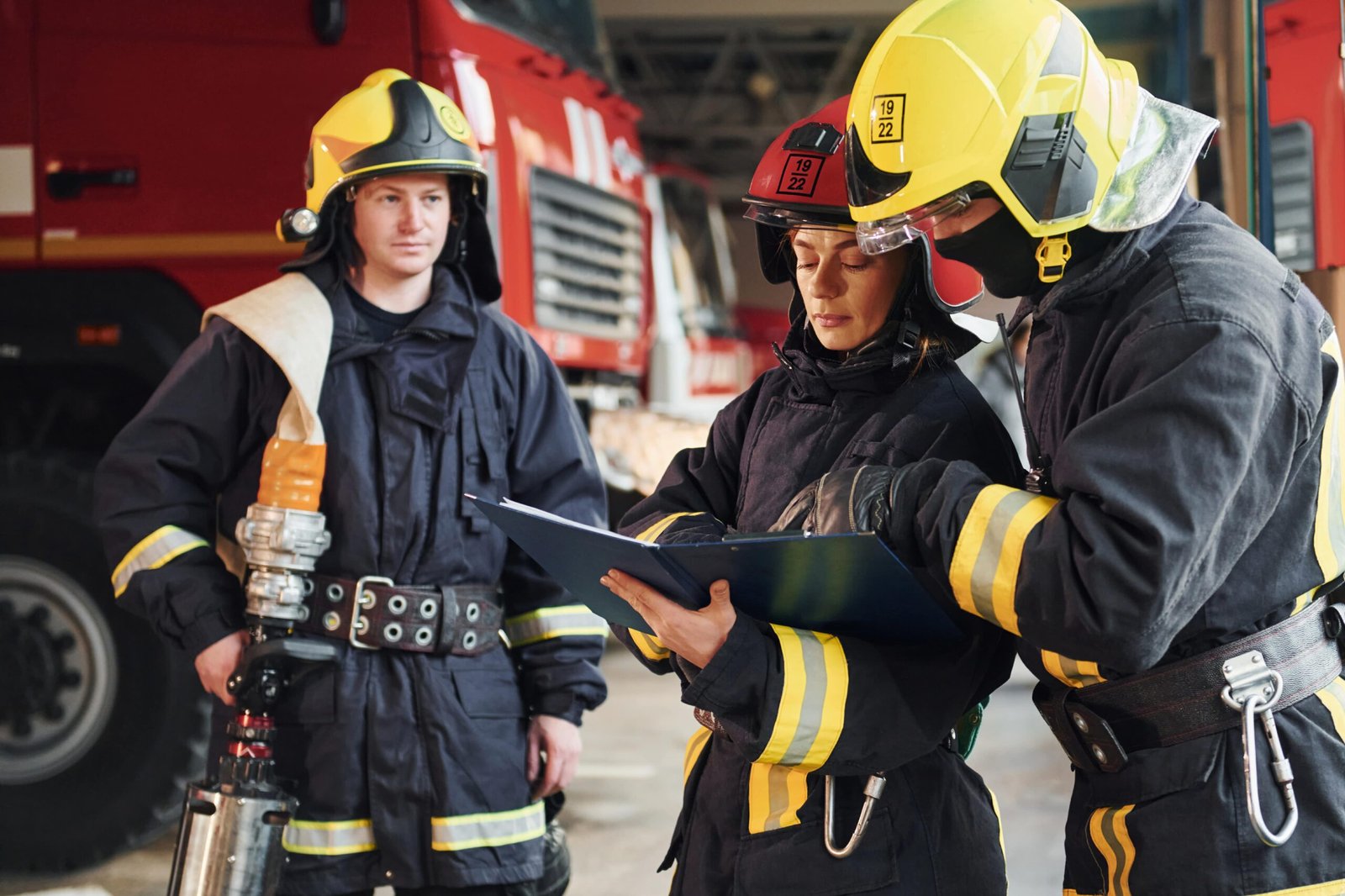
Professional Certificate in Emergency Response, Incident Command & On-Scene Coordination
The Professional Certificate in Emergency Response, Incident Command & On-Scene Coordination develops practical capability....

Professional Certificate in Crisis Communication, Media Handling & Stakeholder Coordination
The Professional Certificate in Crisis Communication, Media Handling & Stakeholder Coordination equips professionals to....
Together We Learn, Together We Grow
At Whitestone, we believe in collaborative learning where students and faculty grow together through knowledge and experience. Our supportive community fosters teamwork, innovation, and shared success.
Contact & Follow us
Contact Us & Get More Information
Contact us for expert guidance, swift support, and strategic partnerships.

Whitestone International College of Innovation delivers quality-assured, standards-aligned programmes that integrate academic rigour, industry relevance, and digital fluency to develop principled leaders who deliver measurable impact.
Quick Links
Menu
Get Connected
Reach out to us for any queries or assistance. We’re here to support you at every step. Stay connected and let us make things easier for you.
Copyright © 2025 Whitestone International College of Innovation. All rights reserved.