- info@whitestoneinternationalcollege.org.uk
- +44 20 3727 6493
- Mon - Fri : 08.00-17.00
Whitestone International College of Innovation delivers quality-assured, standards-aligned programmes that integrate academic rigour, industry relevance, and digital fluency to develop principled leaders who deliver measurable impact.
- London, United kingdom
- +44 20 3727 6493
-
Info@whitestoneinternational
college.org.uk
 United States
 United Arab Emirates
 India
India
Courses
Professional Certificate in Crisis Communication, Media Handling & Stakeholder Coordination
The Professional Certificate in Crisis Communication, Media Handling & Stakeholder Coordination
equips professionals to plan, lead and support communication
Course Overview
The Professional Certificate in Crisis Communication, Media Handling & Stakeholder Coordination
equips professionals to plan, lead and support communication before, during and after critical
incidents, emergencies, and organisational crises.
Grounded in recognised crisis communication and stakeholder engagement principles (awareness
level), the programme combines:
- Crisis communication planning and messaging,
- Media and social media handling,
- Internal communication and staff updates, and
- Coordination with authorities, regulators, customers, partners and communities.
The focus is non-political and non-legal: participants learn how to protect people, reputation and
trust through clear, honest and timely communication aligned with their organisation’s policies and
governance.
The programme does not provide legal advice or public-relations licensing; it builds practical,
awareness-level competence to work with communication, legal and leadership teams during crises.
Why This Course is Important?
- Silence and confusion create damage: Poor communication in crises amplifies fear, rumours and reputational harm—even when the technical response is strong.
- Media and social media move fast: Organisations must respond with fact-based, timely, coordinated messages rather than ad-hoc comments.
- Stakeholders have long memories: How leaders communicate in difficult moments shapes trust, loyalty, regulatory relationships and brand value for years.
- Multi-stakeholder reality: Employees, families, regulators, emergency services, neighbours, customers, suppliers and media all require different messages, at different times, in different formats.
Learning Outcomes
By the end of this programme, participants will be able to:
- Explain key principles of crisis communication, media handling and stakeholder coordination (awareness level).
- Contribute to or develop a basic crisis communication plan aligned with organisational emergency, business continuity and crisis management frameworks.
- Identify and prioritise internal and external stakeholders in crises and define appropriate communication channels for each.
- Draft and support delivery of clear, honest holding statements, key messages, FAQs and staff updates under time pressure.
- Support media handling at awareness level: preparing spokespeople, managing requests and avoiding speculative or misleading statements.
- Monitor and respond appropriately to social media activity during crises, working with communications specialists.
- Participate in multi-stakeholder coordination, ensuring consistent messaging with authorities, partners and community representatives.
- Assist with post-incident communication, debriefing and reputation recovery activities.
Target Audience
- HSE / OHS, emergency response and business continuity coordinators
- Facility, operations, site and campus managers
- Corporate communication, PR, marketing and branding staff
- HR and people managers responsible for staff welfare and internal communication
- Security and control-room supervisors
- NGO, community and humanitarian programme managers
- Supervisors and team leaders likely to be first points of contact for staff or the public
Entry Requirements
- Current or potential involvement in incident, emergency, crisis or stakeholder communication.
- Ability to read and produce clear written messages, emails and brief statements.
- Proficiency in English (or delivery language) suitable for internal and external communication, report writing and exercises.
- No prior crisis communication qualification is required; basic safety/emergency awareness is helpful but not essential.
Programme Structure & Modules
- Differences between issue, incident, emergency and crisis (awareness).
- How crises impact people, operations, finances, legal position and reputation.
- Principles of effective crisis communication: speed, accuracy, empathy, consistency and transparency.
- Roles and interfaces: crisis management team, communications/PR, legal, HSE, operations and leadership.
- Identifying and prioritising stakeholders: staff, families, regulators, emergency services, customers, suppliers, community, media, investors, NGOs.
- Mapping interests, concerns and preferred channels for each group.
- Internal versus external communication; aligning messages while respecting confidentiality.
- Choosing and combining channels: email, SMS, intranet, social media, press releases, briefings, hotlines and community meetings.
- Elements of a crisis communication plan: activation criteria, roles, contact lists, templates and approval routes.
- Developing holding statements and core key messages under uncertainty.
- Using simple message frameworks (e.g. “what we know – what we don’t know – what we are doing – what you should do”).
- Balancing transparency with privacy, ongoing investigations and legal constraints (awareness level; not legal advice).
- Media dynamics in crises: traditional media, online platforms and citizen journalism.
- Roles of official spokespeople; supporting them with briefing notes, Q&A and key messages.
- Do’s and don’ts in media interaction (awareness level):
- Avoiding speculation, blame and promises beyond authority.
- Staying within approved facts and messages.
- Managing interviews, press briefings and media presence on or near the incident site (in support of authorised spokespeople).
- Opportunities and risks of social media in crises.
- Monitoring for rumours, misinformation and emerging concerns.
- Coordinating digital responses with the core crisis communication plan.
- Basic guidance for responsible posting by staff and volunteers (awareness level; align with employer policies).
- Coordinating messages with authorities, regulators, emergency services, landlords, tenants, partners and community leaders.
- Participating in or supporting joint information centres / coordination groups (awareness).
- Handling conflicting narratives and concerns while maintaining professional tone.
- Documenting communication decisions and key messages for later review.
- Supporting staff welfare through clear, compassionate internal communication.
- Communicating about casualties, injuries, investigations and return to work (within policy and legal frameworks at awareness level).
- Managing internal briefings, town-halls and Q&A sessions.
Post-incident communication:
- Sharing lessons learned and improvements.
- Reputation repair and long-term stakeholder engagement.
Awarding Body
Whitestone International College of Innovation
United Kingdom
Qualification Type
Professional Certificate - Short Course
(Industry-aligned, regulated qualification issued by Whitestone International College of Innovation, UK)

Delivery Mode
Classroom – London (UK) / Dubai (UAE) campuses
Live Online – Instructor-led virtual sessions
Blended Learning –Prestudy materials + workshops + capstone assignment

Duration
3 days (intensive) or 1 week (parttime)
CPD Hours: 18–21 hours
Assessment:
- Short knowledge assessment (e.g., MCQs/structured questions) covering crisis communication principles, stakeholder mapping, media and social media basics.
- Observation of participation in message-development, role-play and scenario discussions (where delivery model allows).
- Submission and satisfactory evaluation of the Crisis Communication & Stakeholder Coordination Pack (capstone).
Certification:
- Successful participants receive the Professional Certificate in Crisis Communication, Media Handling & Stakeholder Coordination from Whitestone International College of Innovation (UK).
- Builds confidence and structure for communicating under pressure.
- Provides ready-to-use templates: holding statements, key message outlines, stakeholder maps and simple plan structures.
- Strengthens alignment between HSE, operations, continuity, HR and communications/PR during crises.
- Reduces the risk of reputation damage, stakeholder backlash and prolonged uncertainty caused by poor communication.
- Creates a strong foundation for progression to Advanced Professional Certificates in crisis leadership, EOC management, business continuity and resilience within your Disaster, Emergency Management & Resilience sector.
Programme Fees
Clear Fee Structure With No Hidden Costs
£
350
Per Course
-
Industry-focused programmes with global standards.
-
Practical skills for real-world success.
-
Academic excellence with career-ready outcomes.
Featured
Related Courses

Professional Certificate in Disaster Risk Reduction & Community Preparedness
The Professional Certificate in Disaster Risk Reduction & Community Preparedness builds a practical foundation in how communities....
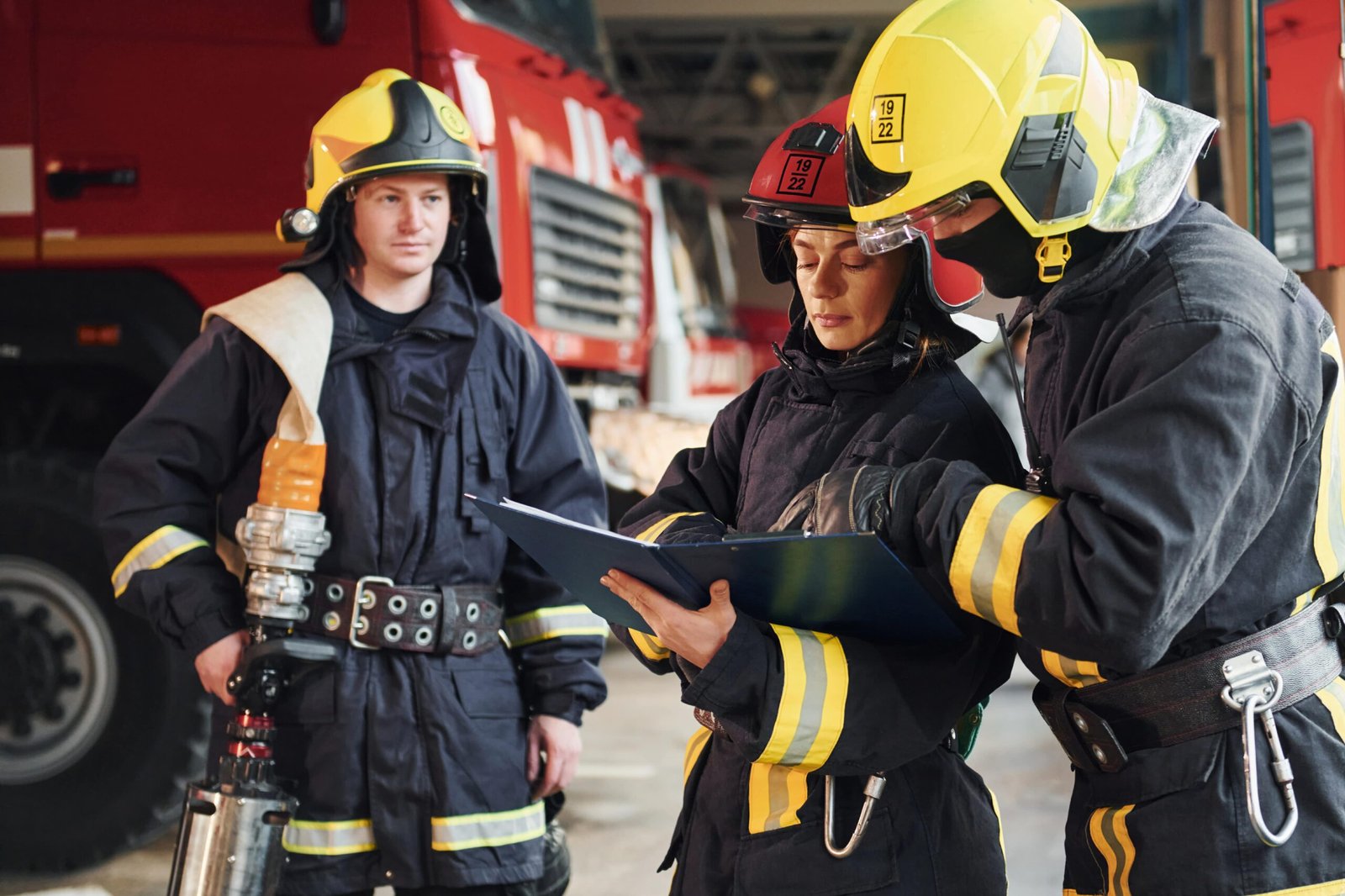
Professional Certificate in Emergency Response, Incident Command & On-Scene Coordination
The Professional Certificate in Emergency Response, Incident Command & On-Scene Coordination develops practical capability....
Together We Learn, Together We Grow
At Whitestone, we believe in collaborative learning where students and faculty grow together through knowledge and experience. Our supportive community fosters teamwork, innovation, and shared success.
Contact & Follow us
Contact Us & Get More Information
Contact us for expert guidance, swift support, and strategic partnerships.
Whitestone International College of Innovation delivers quality-assured, standards-aligned programmes that integrate academic rigour, industry relevance, and digital fluency to develop principled leaders who deliver measurable impact.
Quick Links
Menu
Get Connected
Reach out to us for any queries or assistance. We’re here to support you at every step. Stay connected and let us make things easier for you.
Copyright © 2025 Whitestone International College of Innovation. All rights reserved.