- info@whitestoneinternationalcollege.org.uk
- +44 20 3727 6493
- Mon - Fri : 08.00-17.00
Whitestone International College of Innovation delivers quality-assured, standards-aligned programmes that integrate academic rigour, industry relevance, and digital fluency to develop principled leaders who deliver measurable impact.
- London, United kingdom
- +44 20 3727 6493
-
Info@whitestoneinternational
college.org.uk
 United States
 United Arab Emirates
 India
India
Courses
Professional Certificate in Counselling Skills, Helping Relationships & Communication
The Professional Certificate in Counselling Skills, Helping Relationships & Communication develops
practical, non-clinical helping skills for use in education, health, workplace, community and pastoral
settings.
Course Overview
The Professional Certificate in Counselling Skills, Helping Relationships & Communication develops
practical, non-clinical helping skills for use in education, health, workplace, community and pastoral
settings.
Grounded in person-centred principles and basic counselling microskills, the programme focuses on
how to listen effectively, build trust, respond with empathy, ask helpful questions, manage
boundaries and signpost appropriately. It does not train participants to become therapists, but
equips them to bring counselling-informed communication into their existing roles—so
conversations with learners, employees, clients or community members become safer, more
supportive and more effective.
Why This Course is Important?
- People need to talk—but not every conversation is therapy: Many individuals turn first to teachers, supervisors, HR, community leaders, coaches or friends before accessing professional mental-health support.
- Poorly handled conversations can cause harm: Giving advice too quickly, judging, minimising feelings or promising confidentiality you cannot keep can damage trust.
- Helping skills are now core professional competencies: Sectors such as education, HR, healthcare support, social services, coaching and pastoral work increasingly expect staff to handle sensitive conversations with confidence and care.
- Clear boundaries protect everyone: Understanding what you can and cannot do in a helping role reduces risk for the helper, the organisation and the person being supported.
Learning Outcomes
By the end of this programme, participants will be able to:
- Describe the difference between counselling skills and professional counselling/psychotherapy, and explain their own non-clinical “helping role”.
- Demonstrate core helping skills: attentive listening, empathy, reflection of feelings, summarising and asking open questions.
- Use basic structure for a helping conversation: beginning (rapport and purpose), middle (exploration and understanding) and end (next steps and closure).
- Respond more helpfully to distress, stress and everyday difficulties without judging, rescuing or taking over.
- Maintain appropriate boundaries, confidentiality (within limits) and self-care when offering support.
- Recognise when issues may require referral to a counsellor, psychologist, doctor, safeguarding lead or other professional.
- Reflect on their own communication style, strengths and development needs in helping relationships.
Target Audience
- Teachers, trainers, tutors and education support staff
- HR professionals, supervisors, managers and team leaders
- Health and wellness coaches, fitness professionals and corporate wellbeing staff
- Youth workers, community workers, pastoral carers and volunteers
- Call-centre, customer-facing or frontline staff who handle sensitive conversations
- Anyone considering further study in counselling, psychology or mental-health support and seeking a structured, practice-focused introduction
Entry Requirements
- Interest in supporting others and improving communication in a professional or community context.
- Proficiency in English (IELTS 5.5 or equivalent suggested).
- Willingness to engage in skills practice, role plays and reflective exercises in a safe learning environment.
- Understanding that this is a non-clinical, skills-based course and does not qualify participants to practise as counsellors, psychotherapists or mental-health clinicians.
Programme Structure & Modules
- What are counselling skills? Distinction between skills and professional counselling/therapy.
- Where counselling skills are used: education, HR, health, coaching, community and pastoral settings.
- Personal qualities of an effective helper: genuineness, respect, empathy and non-judgement.
- Attending behaviour: presence, eye contact (culturally appropriate), body language and minimal encouragers.
- Active listening and empathy: reflecting content and feelings.
- Open vs closed questions; avoiding interrogation or leading questions.
- Creating a safe, respectful, non-threatening atmosphere.
- Clarifying purpose and expectations for the conversation.
- Cultural sensitivity and awareness of power dynamics (e.g., teacher–learner, manager–staff).
- A simple structure: beginning – middle – ending.
- Beginning: introductions, purpose, boundaries, time frame.
- Middle: exploring the situation, clarifying problems, supporting the person to express thoughts and feelings.
- Ending: summarising, agreeing next steps, closing safely.
- Recognising and naming feelings (sadness, anger, fear, shame, confusion, etc.) with care.
- Supporting people facing stress at work, study pressure, relationship difficulties or everyday worries (non-clinical level).
- Responding to tears, silence, frustration and “I don’t know” moments.
- Role boundaries: what helpers can and cannot promise; avoiding advice-giving too quickly.
- Confidentiality, its limits (e.g., risk of harm) and how to explain these clearly.
- Record-keeping expectations in organisational settings (awareness level).
- Self-care and supervision/line-management support for helpers.
- Recognising when someone may need specialist help: risk of harm to self/others, severe or persistent distress, suspected abuse, addiction, eating disorders or serious mental-health concerns.
- Handling disclosures sensitively and following appropriate reporting or referral routes (e.g., safeguarding, HR, EAP, healthcare providers).
- Avoiding common traps: rescuing, over-involvement, taking sides, imposing solutions.
- Adapting skills for different settings: classroom, office, clinic, call centre, online.
- Integrating counselling skills into everyday roles (e.g., supervision meetings, tutorials, performance reviews, mentoring sessions).
- Planning continued development: next steps into mental-health awareness, advanced counselling skills or supervision.
Awarding Body
Whitestone International College of Innovation
United Kingdom
Qualification Type
Professional Certificate - Short Course
(Industry-aligned, regulated qualification issued by Whitestone International College of Innovation, UK)

Delivery Mode
Classroom – London (UK) / Dubai (UAE) campuses
Live Online – Instructor-led virtual sessions
Blended Learning –Prestudy materials + workshops + capstone assignment
Duration
3 days (intensive) or 1 week (parttime)
CPD Hours: 18–21 hours
Assessment:
- Short applied knowledge checks on helping principles, boundaries and red-flag awareness.
- Helping Conversation Skills & Reflection Portfolio (including reflective piece on practice conversation).
Certification:
- Successful participants receive the Professional Certificate in Counselling Skills, Helping Relationships & Communication from Whitestone International College of Innovation (UK).
- Immediately improves the quality of everyday supportive conversations at work, in education and in the community.
- Helps participants avoid common mistakes (judging, fixing, minimising, breaking boundaries) that can damage trust.
- Provides a strong, internationally styled foundation for progression into:
- Mental health awareness
- Child and adolescent psychology
- Workplace psychology and coaching
- Applied counselling skills and support roles
This certificate is aligned with international expectations for introductory, non-clinical counselling skills training used in education, HR, health, social care and community roles. It emphasises:
- Practical helping skills and safe communication.
- Clear boundaries and ethical awareness.
- Preparation for further study within Whitestone’s Psychology, Counselling & Mental Health Studies pathway and related professional awards.
Programme Fees
Clear Fee Structure With No Hidden Costs
£
350
Per Course
-
Industry-focused programmes with global standards.
-
Practical skills for real-world success.
-
Academic excellence with career-ready outcomes.
Featured
Related Courses
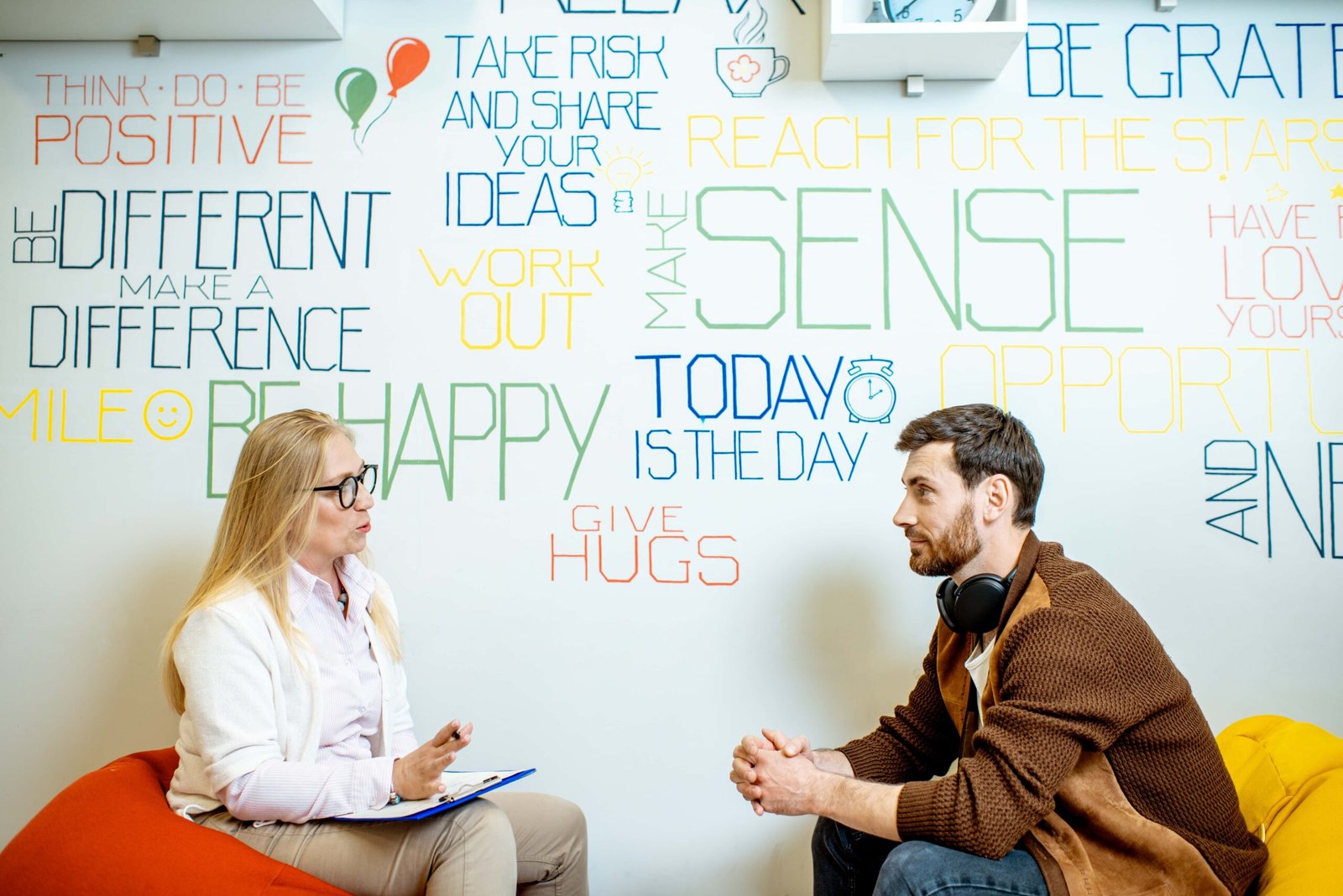
Professional Certificate in Foundations of Psychology & Human Behaviour
The Professional Certificate in Foundations of Psychology & Human Behaviour provides a structured, non-clinical....

Professional Certificate in Mental Health Awareness, Stress Management & Emotional Wellbeing
The Professional Certificate in Mental Health Awareness, Stress Management & Emotional Wellbeing provides a clear....
Together We Learn, Together We Grow
At Whitestone, we believe in collaborative learning where students and faculty grow together through knowledge and experience. Our supportive community fosters teamwork, innovation, and shared success.
Contact & Follow us
Contact Us & Get More Information
Contact us for expert guidance, swift support, and strategic partnerships.
Whitestone International College of Innovation delivers quality-assured, standards-aligned programmes that integrate academic rigour, industry relevance, and digital fluency to develop principled leaders who deliver measurable impact.
Quick Links
Menu
Get Connected
Reach out to us for any queries or assistance. We’re here to support you at every step. Stay connected and let us make things easier for you.
Copyright © 2025 Whitestone International College of Innovation. All rights reserved.