
Courses
Professional Certificate in Physical Security Operations, Access Control and Security Surveillance Coordination
The Professional Certificate in Physical Security Operations, Access Control and Security
Surveillance Coordination equips participants with essential professional knowledge of physical
security operations.
Course Overview
The Professional Certificate in Physical Security Operations, Access Control and Security
Surveillance Coordination equips participants with essential professional knowledge of physical
security operations, access-control support, visitor management, security surveillance coordination,
patrol awareness, workplace monitoring, incident reporting, asset protection, control-room
communication, and responsible security administration.
This programme provides a structured introduction to the operational principles used to protect
premises, people, assets, equipment, stock, operational areas, restricted locations, and workplace
resources. It enables learners to understand how access-control arrangements, entry and exit
procedures, visitor screening awareness, key control, access-card management, patrol activity, CCTV
coordination awareness, workplace observation, documentation discipline, and effective
communication contribute to a secure and well-managed environment.
Participants will develop practical awareness of physical security controls across offices, warehouses,
logistics centres, retail premises, hospitality environments, healthcare support facilities, schools,
industrial locations, construction projects, residential complexes, corporate buildings, manufacturing
sites, public-facing organisations, and service-sector workplaces.
The programme is suitable for security officers, security assistants, access-control personnel,
reception teams, control-room support staff, facilities personnel, site administrators, contractor
coordinators, warehouse and logistics teams, visitor-management personnel, building operations
staff, and individuals seeking to develop professional capability in workplace physical security and
surveillance coordination.
Why This Course is Important?
- Physical security protects people, premises and organisational assets: Effective physical security reduces the likelihood of unauthorised entry, theft, vandalism, trespass, asset loss, property damage, workplace disruption, and security-related reputational harm.
- Access control supports disciplined workplace operations: Proper management of entrances, exits, visitor records, access cards, keys, restricted areas, contractor access, delivery points, and employee movement strengthens operational control.
- Surveillance coordination improves situational awareness: Security monitoring, patrol records, workplace observations, CCTV awareness, control-room communication, and timely escalation help identify potential risks before they become serious incidents.
- Visitor and contractor management reduces security vulnerabilities: External persons entering a workplace may introduce unfamiliar risks, require controlled access, need clear instructions, and must be managed through appropriate organisational procedures.
- Security documentation supports accountability: Visitor registers, access logs, patrol records, incident reports, asset records, key-control registers, control-room logs, and corrective-action trackers provide evidence of responsible security practice.
- Career progression: Physical security and access-control competence supports progression into security operations, control-room support, facilities security, visitor-management coordination, corporate protection, security supervision, surveillance coordination, site security, and asset- protection roles.
Learning Outcomes
By the end of this programme, participants will be able to:
- Explain the purpose of physical security, access control, security surveillance coordination, workplace monitoring, and responsible operational security practice.
- Identify common security risks relating to unauthorised access, visitor-control failures, key misuse, access-card misuse, asset loss, theft, vandalism, suspicious activity, weak perimeter control, and insecure workplace areas.
- Understand the relationship between security personnel, employees, visitors, contractors, premises, assets, access procedures, surveillance arrangements, communication, and organisational resilience.
- Support basic access-control procedures, visitor registration, contractor-entry arrangements, restricted-area controls, key-control awareness, pass management, and workplace security observations.
- Recognise the importance of physical security controls, including barriers, gates, entry points, doors, locks, lighting awareness, signage, secure storage, restricted zones, perimeter awareness, and monitored access routes.
- Understand the purpose of security patrols, control-room coordination, surveillance awareness, CCTV observation support, workplace monitoring, handover records, and incident escalation.
- Support security incident reporting, factual note-taking, record preservation awareness, access-control reporting, suspicious activity reporting, and corrective-action follow-up.
- Maintain basic security documentation, including visitor registers, access logs, patrol records, key registers, incident reports, contractor access records, surveillance observation logs, and security checklists.
- Communicate security requirements professionally to employees, visitors, contractors, suppliers, customers, supervisors, facilities teams, and authorised security personnel.
- Contribute to a secure, alert, access-controlled, professionally monitored, and operationally resilient workplace environment.
Target Audience
- Security Officers, Security Assistants, and Security Operations Support Personnel
- Access-Control Personnel, Visitor-Management Staff, and Reception Teams
- Control-Room Support Staff and Security Monitoring Assistants
- Facilities Management, Building Operations, and Workplace Services Personnel
- Corporate Security, Asset Protection, and Loss-Prevention Support Teams
- Construction, Manufacturing, Warehouse, Logistics, Retail, and Industrial Site Personnel
- Entrepreneurs and Small Business Owners responsible for workplace access, premises security, visitor control, and asset protection
- Graduates and career-changers entering security operations, access control, facilities security, surveillance coordination, workplace monitoring, or corporate protection roles
Entry Requirements
- Interest in security operations, access control, facilities management, workplace monitoring, asset protection, visitor management, logistics, construction, retail, hospitality, corporate administration, or operational support is recommended.
- Proficiency in English (IELTS 5.5 or equivalent suggested).
- Basic communication, documentation, customer interaction, digital literacy, and computer skills are recommended.
- No prior security qualification is required.
Programme Structure & Modules
- Meaning and purpose of physical security, workplace protection, premises security, access control, surveillance coordination, asset protection, and operational resilience
- Importance of protecting employees, visitors, contractors, customers, facilities, stock, equipment, tools, vehicles, access points, restricted areas, information-bearing assets, and organisational reputation
- Difference between physical security, workplace safety, access control, security surveillance, emergency preparedness, information security awareness, cyber-security awareness, and business continuity awareness
- Security operations across offices, warehouses, retail premises, logistics centres, construction sites, hotels, schools, healthcare support facilities, manufacturing sites, residential locations, public institutions, and service-sector environments
- Responsibilities of security officers, access-control staff, reception personnel, facilities teams, control-room personnel, supervisors, contractors, visitors, management, and authorised security professionals
- Professional conduct, confidentiality, vigilance, integrity, respectful communication, reporting discipline, and authorised role boundaries
- Meaning of threat, vulnerability, exposure, security risk, consequence, likelihood, control measure, escalation, and workplace security awareness
- Common security concerns: unauthorised access, tailgating awareness, theft, vandalism, trespass, suspicious behaviour, missing assets, key misuse, access-card misuse, poor visitor controls, and unsecured work areas
- Identifying vulnerable entry points, blind spots, unsecured doors, damaged locks, poorly lit areas, open storage zones, uncontrolled loading areas, unsecured equipment, weak perimeter controls, and access-control failures
- Recognising suspicious activity, unusual behaviour, damaged barriers, forced-entry indicators, abandoned items awareness, suspicious vehicles, irregular deliveries, and repeated access-control breaches
- Security observations, workplace inspections, patrol awareness, employee feedback, incident-learning awareness, and record review
- Escalating immediate threats, serious security concerns, and situations requiring management action, emergency-service contact, facilities intervention, or authorised specialist support
- Purpose of access control in workplace security and operational discipline
- Entry and exit procedures, employee identification awareness, visitor passes, contractor passes, temporary access cards, restricted areas, escort requirements, and access verification
- Access-card awareness, card issue and return records, lost-card procedures, expired pass awareness, access privilege awareness, and security escalation
- Tailgating awareness, piggybacking awareness, door-propping concerns, unattended access points, unauthorised movement, and misuse of restricted access
- Securing sensitive areas, equipment rooms, storage locations, offices, data rooms, loading bays, plant rooms, warehouses, maintenance areas, and controlled operational spaces
- Communicating access restrictions, visitor requirements, contractor instructions, workplace rules, and security expectations professionally
- Supporting access-control activities without exceeding authorised approval, system-administration, or security-management responsibilities
- Visitor-management principles and workplace visitor-control procedures
- Visitor registration, identity-check awareness, appointment confirmation, pass issue, escort awareness, visitor instructions, emergency information, access restrictions, and exit procedures
- Contractor-entry coordination, work-area allocation, security briefing awareness, equipment-entry controls, delivery coordination, site rules, visitor conduct, and restricted-area requirements
- Delivery-driver awareness, vehicle entry procedures, loading-area controls, goods-receiving awareness, vehicle exit checks, and access communication
- Managing external service providers, maintenance teams, temporary workers, suppliers, consultants, customers, and public visitors
- Maintaining visitor registers, contractor-access logs, delivery records, pass-control records, entry-and-exit records, and security observation notes
- Identifying incomplete visitor records, unauthorised access, uncontrolled deliveries, missing passes, unclear contractor arrangements, and security concerns requiring escalation
- Purpose of key control, access-item management, asset protection, and secure storage
- Types of access items: physical keys, master keys, access cards, visitor badges, locker keys, vehicle keys, cabinet keys, storage keys, and controlled access devices
- Key issue-and-return awareness, key registers, custody records, lost-key reporting, damaged-key reporting, duplicate-key controls, access-item storage, and authorised handover procedures
- Asset-protection awareness for equipment, tools, stock, vehicles, documents, portable devices, materials, operational supplies, high-value items, and workplace property
- Secure storage awareness: locked rooms, cabinets, cages, storage areas, controlled racks, loading bays, equipment rooms, and restricted-access spaces
- Asset registers, asset identification, handover records, stock observations, loss reporting, damaged-property reporting, and security escalation
- Recognising unsecured property, missing assets, inadequate storage, poor handover controls, unauthorised asset movement, and access-control weaknesses
- Purpose of security patrols, workplace observations, access-point monitoring, security rounds, and control-room support
- Patrol planning awareness: routes, timing, priority areas, entry points, exits, car parks, loading zones, storage areas, restricted locations, emergency exits, perimeter areas, and asset zones
- Workplace monitoring techniques, situational awareness, observation discipline, factual note-taking, professional communication, and escalation
- Recognising damaged barriers, poor lighting, unsecured doors, blocked emergency exits, suspicious activity, unauthorised persons, unsafe storage, damaged signage, equipment concerns, and access failures
- Control-room communication awareness, monitoring logs, radio communication awareness, shift handovers, security status updates, and incident escalation routes
- Importance of accurate patrol records, observation reports, activity logs, handover notes, and control-room documentation
- Understanding that control-room operation, surveillance decision-making, emergency command, and specialised monitoring functions must be conducted only by trained and authorised personnel
- Introduction to security surveillance, monitoring awareness, and CCTV coordination
- Purpose of surveillance in supporting workplace observation, access monitoring, incident awareness, asset protection, perimeter awareness, and operational security
- CCTV camera awareness, monitoring zones, image quality awareness, blind spots, lighting conditions, camera obstructions, damaged equipment, and surveillance coverage concerns
- Observing incidents, suspicious behaviour, access-control irregularities, asset movement, vehicle movement, workplace disturbances, and security-related changes
- CCTV log awareness, incident-time recording, authorised footage requests, escalation routes, factual reporting, and evidence-preservation awareness
- Data-protection awareness, privacy, confidentiality, authorised access to footage, ethical surveillance conduct, and organisational surveillance procedures
- Understanding that CCTV operation, image review, footage extraction, evidence retention, surveillance-system configuration, and personal-data handling must only be performed by authorised personnel under applicable law and organisational policy
- Meaning and purpose of security incident reporting, suspicious activity reporting, access-control reporting, loss reporting, asset-damage reporting, and security observation records
- Difference between theft concerns, vandalism, unauthorised access, suspicious behaviour, property loss, security breach, access-control failure, workplace disturbance, and emergency event
- Immediate reporting requirements, factual note-taking, time and location recording, persons involved, access information, witness awareness, and communication routes
- Evidence awareness: preserving records, access logs, visitor records, CCTV awareness, photographs where authorised, asset records, key registers, and factual notes
- Avoiding assumptions, confrontational behaviour, discriminatory conduct, unauthorised searches, personal accusations, or unauthorised investigative activity
- Supporting security investigations through accurate documentation, professional communication, record preservation, and appropriate escalation
- Recognising when police, emergency services, senior management, security leadership, legal advisers, specialist investigators, or regulatory authorities must be involved
- Role of physical security teams in emergency preparedness, site access control, evacuation support, visitor accountability, and operational resilience
- Emergency scenarios: fire, medical emergency, suspicious package awareness, unauthorised entry, workplace violence awareness, power failure, flooding, severe weather, civil disturbance awareness, equipment failure, and operational disruption
- Alarm awareness, emergency exits, assembly-point support, visitor and contractor accountability, site perimeter awareness, emergency access, and restricted-area control
- Supporting emergency communication, security logging, access restriction, crowd-control awareness, visitor direction, and coordination with authorised responders
- Work suspension awareness when security conditions become unsafe, access controls fail, threats arise, serious incidents occur, or emergency procedures are activated
- Post-incident documentation, security recovery support, corrective-action awareness, and organisational learning
- Role boundaries for firefighting, medical intervention, rescue, crowd management, emergency command, law-enforcement intervention, and specialist response activities
- Importance of accurate security documentation and disciplined recordkeeping
- Visitor registers, access logs, patrol records, key registers, asset records, CCTV observation logs, handover records, incident reports, contractor-entry records, and corrective-action trackers
- Record quality: accuracy, factual language, timing, confidentiality, secure storage, authorised access, retention awareness, data-protection awareness, and version control
- Preparing concise security reports, patrol summaries, access-control observations, incident notes, asset-protection updates, and management information
- Security communication methods: briefings, site instructions, access notices, visitor guidance, contractor security information, handover meetings, workplace reminders, and reporting routes
- Identifying recurring security weaknesses, access-control failures, visitor non-compliance, patrol findings, surveillance concerns, record gaps, and improvement opportunities
- Personal development planning for security operations, access-control coordination, surveillance support, facilities security, control-room support, asset protection, and security supervision careers
Awarding Body
Whitestone International College of Innovation
United Kingdom
Qualification Type
Advanced Professional Certificate
(Industry-aligned, regulated qualification issued by Whitestone International College of Innovation, UK)

Delivery Mode
Classroom – London (UK) / Dubai (UAE) campuses
Live Online – Instructor-led virtual sessions
Blended Learning –Pre-study resources + workshops + capstone project

Duration
3 days (intensive) or 1 week (part-time)
CPD Hours: 18–21 hours
- Assessment: Physical security scenario exercises + access-control and visitor-management activity + surveillance-awareness task + incident-reporting exercise + short knowledge test + capstone submission
- Certification: Successful participants receive the Professional Certificate in Physical Security Operations, Access Control and Security Surveillance Coordination from Whitestone International College of Innovation (UK).
- Strong foundation in physical security operations, access-control support, visitor management, contractor entry coordination, asset protection, patrol awareness, surveillance coordination, security reporting, and workplace monitoring
- Improved confidence in supporting entry and exit controls, managing visitor records, conducting security observations, protecting workplace assets, maintaining patrol logs, recognising security vulnerabilities, and escalating security concerns responsibly
- Ready-to-use templates, including access-control checklists, visitor registers, contractor-entry forms, key-control registers, asset-protection observation sheets, patrol logs, CCTV-awareness records, incident-reporting formats, handover notes, and corrective-action trackers
- Stronger capability to support security activity across corporate offices, warehouses, logistics centres, construction sites, facilities, retail premises, hospitality operations, schools, healthcare support locations, industrial workplaces, residential properties, and service-sector environments
- Clear progression pathway to advanced programmes in corporate security and risk management, physical security and CCTV systems, crisis and business continuity management, security operations and investigation, cyber and information security management, and security leadership and compliance governance
- Credible UK-issued certificate supporting career progression in security operations, access-control support, visitor management, surveillance coordination, facilities security, corporate protection, asset protection, control-room support, and security supervision roles
Aligned with UK and international physical security operations, workplace access control, visitor management, contractor-entry coordination, patrol awareness, security surveillance coordination, asset-protection support, incident reporting, emergency preparedness awareness, documentation control, and continual improvement practice principles at foundation level.
The programme supports practical competence in non-specialist physical security support, access-control administration, visitor coordination, asset protection, workplace monitoring, surveillance-awareness support, security reporting, recordkeeping, and operational improvement.
Learners and organisations must ensure that all security guarding, surveillance, CCTV operation, access-control system administration, personal-data handling, evidence management, investigation, emergency response, law-enforcement liaison, private security, close protection, information security, cyber-security, and security operations activities are carried out in accordance with applicable national laws, licensing requirements, data-protection obligations, organisational policies, technical standards, contractual requirements, and authorised role boundaries.
Programme Fees
Clear Fee Structure With No Hidden Costs
£
0
Per Course
-
Industry-focused programmes with global standards.
-
Practical skills for real-world success.
-
Academic excellence with career-ready outcomes.
Featured
Related Courses
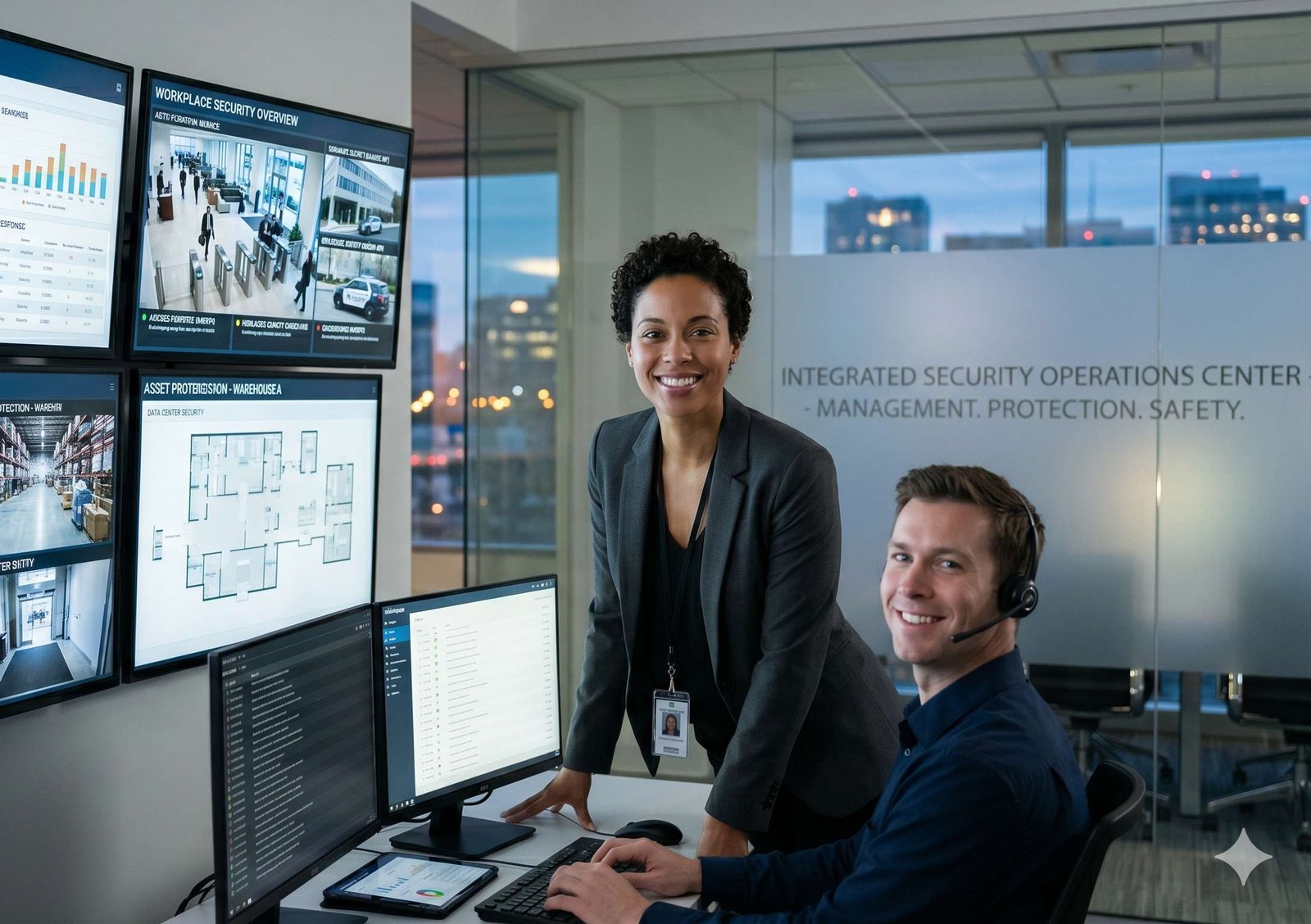
Professional Certificate in Security Management, Asset Protection and Workplace Security Fundamentals
The Professional Certificate in Security Management, Asset Protection and Workplace Security Fundamentals equips participants....

Professional Certificate in Security Incident Reporting, Threat Awareness and Emergency Response
The Professional Certificate in Security Incident Reporting, Threat Awareness and Emergency Response equips participants....
Together We Learn, Together We Grow
At Whitestone, we believe in collaborative learning where students and faculty grow together through knowledge and experience. Our supportive community fosters teamwork, innovation, and shared success.