
Courses
Advanced Professional Certificate in Robotics Systems & Applications
The Advanced Professional Certificate in Robotics Systems & Applications provides participants with
an advanced practical understanding of robotic technologies, system architecture, integration
methods and industrial applications.
Course Overview
The Advanced Professional Certificate in Robotics Systems & Applications provides participants with
an advanced practical understanding of robotic technologies, system architecture, integration
methods and industrial applications. The programme examines how modern robotic systems are
designed, configured, controlled, integrated and applied within manufacturing, logistics,
warehousing, energy, healthcare and other technology-driven industries.
Participants will explore industrial robot configurations, motion and positioning principles, robotic
work cells, end-of-arm tooling, sensors, machine vision, control systems, collaborative robotics and
autonomous robotic applications. The programme also introduces system integration, performance
optimisation, operational reliability and the safe implementation of robotic technologies within
complex industrial environments.
The course is designed for professionals who already possess a basic understanding of robotics or
automation and wish to advance their knowledge towards practical robotic-system selection,
application, integration and performance management.
Why This Course is Important?
- Robotics is increasingly integrated into manufacturing, logistics, inspection and intelligent production systems.
- Advanced robotic applications require knowledge of system architecture, integration, control and operational performance.
- Organisations need professionals capable of evaluating appropriate robotic solutions for specific processes and operational requirements.
Learning Outcomes
By the end of this programme, participants will be able to:
- Analyse the architecture and operating principles of advanced robotic systems.
- Differentiate between major industrial robot configurations and select appropriate applications.
- Evaluate robotic end effectors, sensors, actuators and machine-vision technologies.
- Explain fundamental robotic motion, positioning, trajectory and control concepts.
- Assess the design and integration requirements of robotic work cells.
- Evaluate collaborative and autonomous robotic applications within industrial environments.
- Identify operational, safety and reliability considerations affecting robotic systems.
- Develop a structured robotic-system application proposal for an industrial or organisational process.
Target Audience
- Automation and robotics professionals
- Electrical, mechanical and mechatronics technicians
- Manufacturing and production professionals
- Maintenance and reliability personnel
- Engineering students and graduates
- Industrial technology professionals
- Robotics and automation system integrators
- Professionals progressing into advanced robotics and smart manufacturing
Entry Requirements
- Basic knowledge of robotics, automation or industrial technology is recommended.
- Previous technical, engineering, maintenance or manufacturing experience is beneficial.
- English proficiency is suggested.
- Learners should have an interest in robotic applications, automation and intelligent industrial systems.
Programme Structure & Modules
- Industrial robotics architecture and system components
- Robot manipulators, joints, axes and coordinate systems
- Robotic controllers, drives and control architecture
- Cartesian, articulated, SCARA, delta and specialised robot configurations
- Robot movement and positioning principles
- Degrees of freedom and workspace analysis
- Trajectory and path concepts
- Speed, accuracy, repeatability and payload considerations
- Introduction to robotic motion control
- Grippers and specialised robotic tooling
- Mechanical, pneumatic and vacuum end effectors
- Force, proximity and position sensing
- Machine-vision fundamentals
- Vision-guided robotics and object recognition
- Selecting tooling and sensing technologies for applications
- Robotic work-cell design principles
- Integration with conveyors, machines and production equipment
- PLC and robotic-controller interfaces
- Communication between robotic and automation systems
- Work-cell layout and workflow considerations
- Commissioning and integration awareness
- Collaborative robots and human–robot collaboration
- Applications of cobots in production and assembly
- Autonomous mobile robots and automated guided vehicles
- Robotics in warehousing and logistics
- Inspection, maintenance and service robotics
- Emerging intelligent robotic applications
- Robotics risk assessment fundamentals
- Guarding, interlocks and protective systems
- Safe human–robot interaction
- Preventive and predictive maintenance concepts
- Robot performance indicators
- Downtime reduction and reliability improvement
- Optimising robotic-system productivity and utilisation
Awarding Body
Whitestone International College of Innovation
United Kingdom
Qualification Type
Advanced Professional Certificate
(Industry-aligned, regulated qualification issued by Whitestone International College of Innovation, UK)

Delivery Mode
Classroom – London (UK) / Dubai (UAE) campuses
Live Online – Instructor-led virtual sessions
Blended Learning –Pre-study readings + design workshops + peer case clinics + capstone mentoring

Duration
3 days intensive or 1 week part-time
CPD Hours: 18–21 hours
Assessment:
- Applied exercises + short knowledge assessment + robotic system application and integration project
Certification:
- Successful participants receive the Advanced Professional Certificate in Robotics Systems & Applications from Whitestone International College of Innovation, UK.
- Develop advanced knowledge of industrial robotic systems and applications
- Understand robotic configurations, movement and control principles
- Evaluate sensors, machine vision and robotic end effectors
- Explore collaborative and autonomous robotic technologies
- Strengthen awareness of robotics safety, reliability and performance
- Receive a UK-issued advanced professional certificate
- Progress towards advanced automation, intelligent systems and robotics management programmes
Aligned with international robotics and industrial automation practices, including industrial robot architecture, robotic motion and control, machine vision, end-of-arm tooling, robotic work-cell integration, collaborative robotics, autonomous systems, machinery safety, operational reliability and smart manufacturing applications.
Programme Fees
Clear Fee Structure With No Hidden Costs
£
695
Per Course
-
Industry-focused programmes with global standards.
-
Practical skills for real-world success.
-
Academic excellence with career-ready outcomes.
Featured
Related Courses

Advanced Professional Certificate in Smart Manufacturing & Industry 4.0
The Advanced Professional Certificate in Smart Manufacturing & Industry 4.0 provides participants with an....
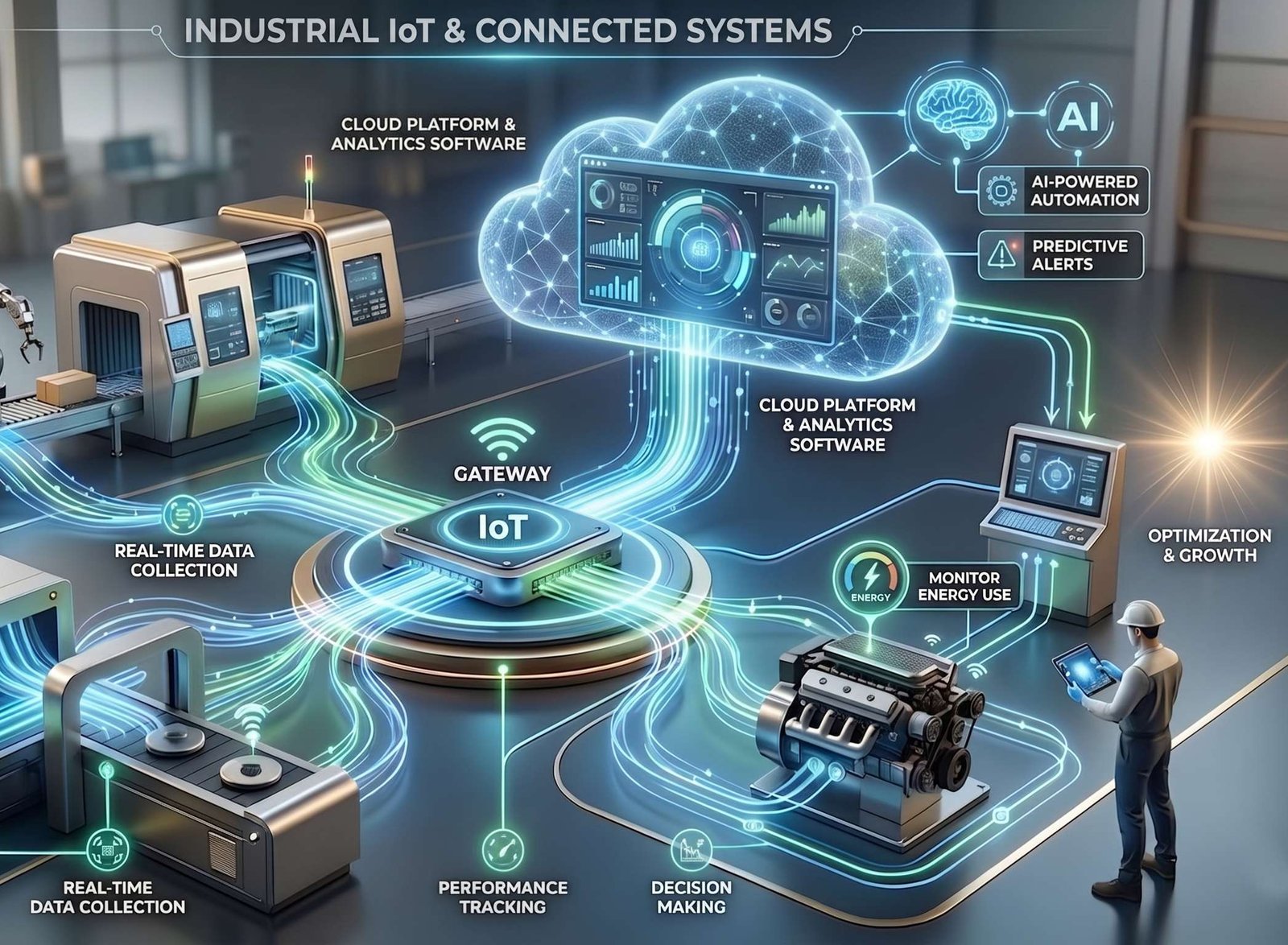
Advanced Professional Certificate in Industrial IoT & Connected Systems
The Advanced Professional Certificate in Industrial IoT & Connected Systems provides participants with an....

Advanced Professional Certificate in Automation, Instrumentation & Process Control
The Advanced Professional Certificate in Automation, Instrumentation & Process Control provides participants with....

Advanced Professional Certificate in Autonomous Systems & Intelligent Machines
The Advanced Professional Certificate in Autonomous Systems & Intelligent Machines provides participants with...
Advanced Professional Certificate in Mechatronics & Robotic Systems
The Advanced Professional Certificate in Mechatronics & Robotic Systems provides participants with an advanced.....
Together We Learn, Together We Grow
At Whitestone, we believe in collaborative learning where students and faculty grow together through knowledge and experience. Our supportive community fosters teamwork, innovation, and shared success.